Most cooking failures come from the same small handful of issues: wrong heat, wrong timing, wrong ingredient temperature, or pulling food off too late or too early. The fixes are almost never dramatic. A chicken breast that turns out dry needs to come out of the oven at 160 degrees and rest, not 180 degrees and serve immediately. A baked good that turns out tough was probably overmixed. Cookies that spread too thin had butter that was too warm. The cooking tips section catalogs the small adjustments that solve common problems.
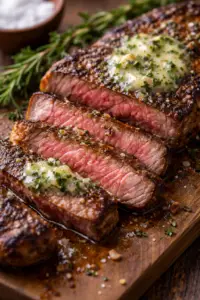
The single biggest cooking upgrade is owning a digital instant-read thermometer. A 25-dollar Thermapen or similar will tell you when chicken is done at 165 degrees instead of guessing, when bread is baked through at 190 to 200 degrees, when steaks are at medium-rare at 130 degrees, and when caramel is at the soft-ball stage at 235 degrees. Almost every recipe failure that comes from undercooking or overcooking gets solved by knowing the actual temperature instead of guessing from looks or time.
Ingredient temperature is the most-overlooked rule in baking. Cold butter in a recipe that calls for room temperature butter produces a different texture entirely. Cold eggs cause melted butter to seize and curdle. Cold milk in a yeast bread slows the rise to the point of failure. Most baking recipes assume room temperature ingredients unless they specifically say otherwise. Pulling everything out of the fridge an hour before baking is the simplest single upgrade most home bakers can make.
The most-referenced tips on the site cover chicken recipes (how to get crisp skin, how to keep breasts juicy, how long to rest before slicing), ground beef recipes (how to brown properly, when to drain the fat, how to season at the right stage), and bread recipes (proofing, kneading, how to test doneness without cutting). Most fixes are small adjustments, like the dry-brining trick that makes The Best Baked Chicken Thighs consistently produce crisp skin, or the proper browning technique that distinguishes Ground Beef Meatballs from the dry, gray version most home cooks end up with.