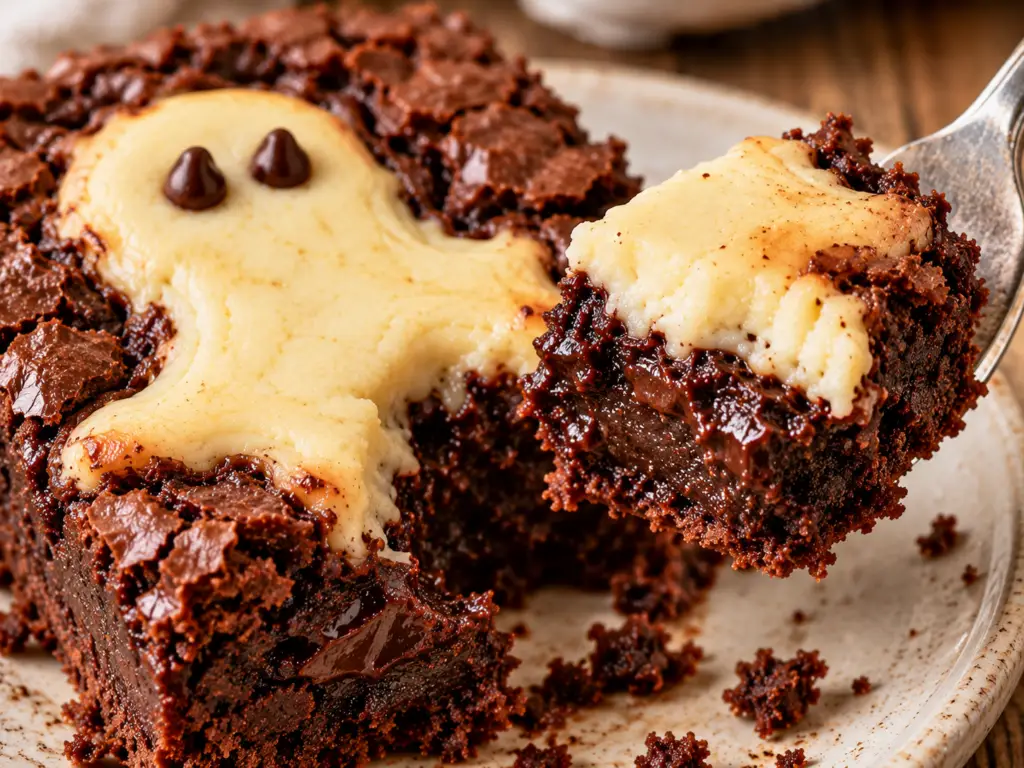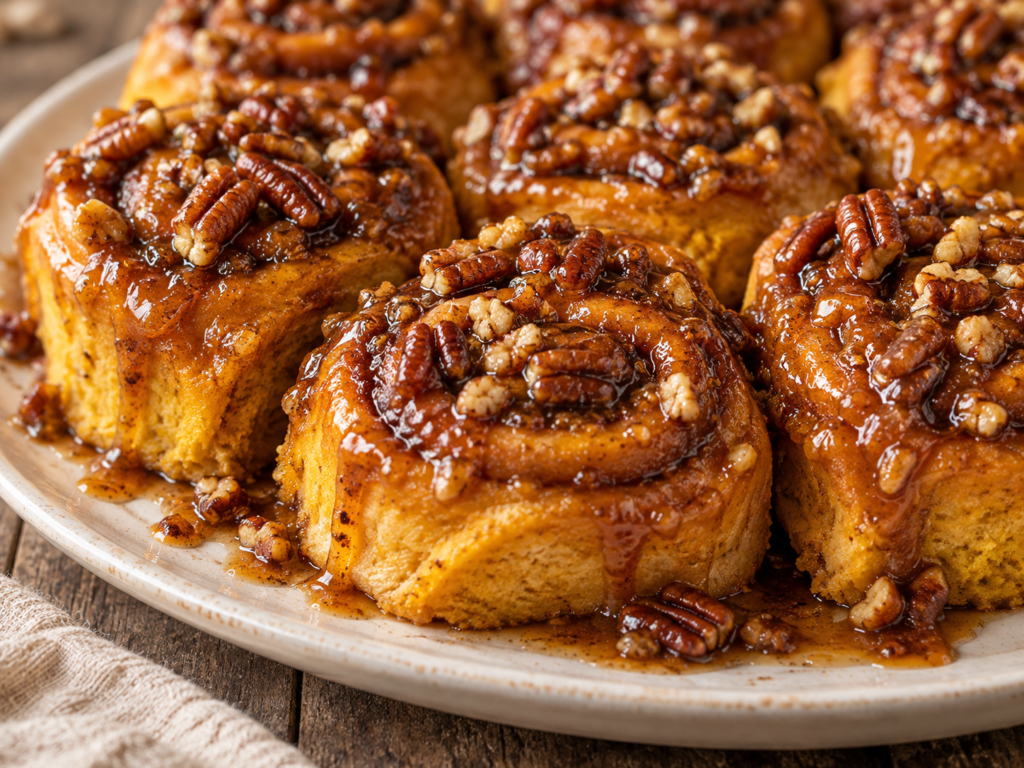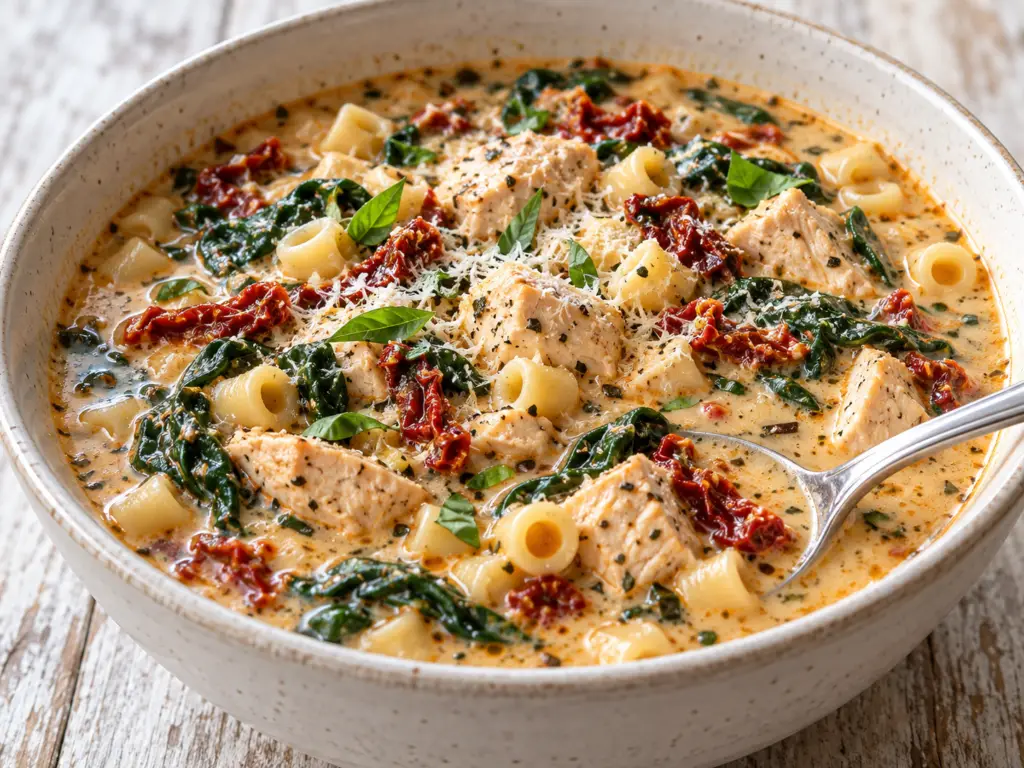
If you have ever added cottage cheese straight from the container to a cake, muffin, pancake, or brownie recipe and wondered why you could still see little white curds after baking, there is a very easy fix.
Blend the cottage cheese first.
It sounds almost too simple, but this one step can completely change the texture of cottage cheese baking recipes. Instead of little curds scattered through the batter, blended cottage cheese becomes smooth, creamy, and much easier to mix with eggs, flour, cocoa powder, and other baking ingredients.
And no, you do not need to blend cottage cheese for every single recipe.
Sometimes those curds do not matter at all. Other times, blending is the difference between a dessert that tastes like it was made with cottage cheese and one where you would probably never guess cottage cheese was hiding inside.
So, when should you blend cottage cheese before baking?
Here is exactly when I do it, when I skip it, and which cottage cheese recipes benefit most from getting a quick spin in the blender first.
Should You Blend Cottage Cheese Before Baking?
For most smooth baked goods, yes, I recommend blending cottage cheese before adding it to your batter.
Blending breaks down the cottage cheese curds and turns them into a creamy mixture that acts much more like Greek yogurt, sour cream, or ricotta in a recipe.
I especially recommend blending cottage cheese when making:
- Cheesecake
- Cakes
- Brownies
- Muffins
- Pancakes
- Waffles
- Quick breads
- Chocolate desserts
- Protein baked goods
- Frostings and fillings
- Cottage cheese mousse
- Smooth batters where visible curds would be noticeable
You usually do not need to blend it when making savory casseroles, egg bakes, lasagna, or recipes where the texture of the curds works with the finished dish.
Think about what you want the final texture to be. If you want smooth and creamy, blend it.
Why Blend Cottage Cheese for Baking?
Cottage cheese naturally contains curds surrounded by a creamy liquid. Straight from the container, those curds can stay surprisingly intact even after being stirred into batter.
A blender changes that.
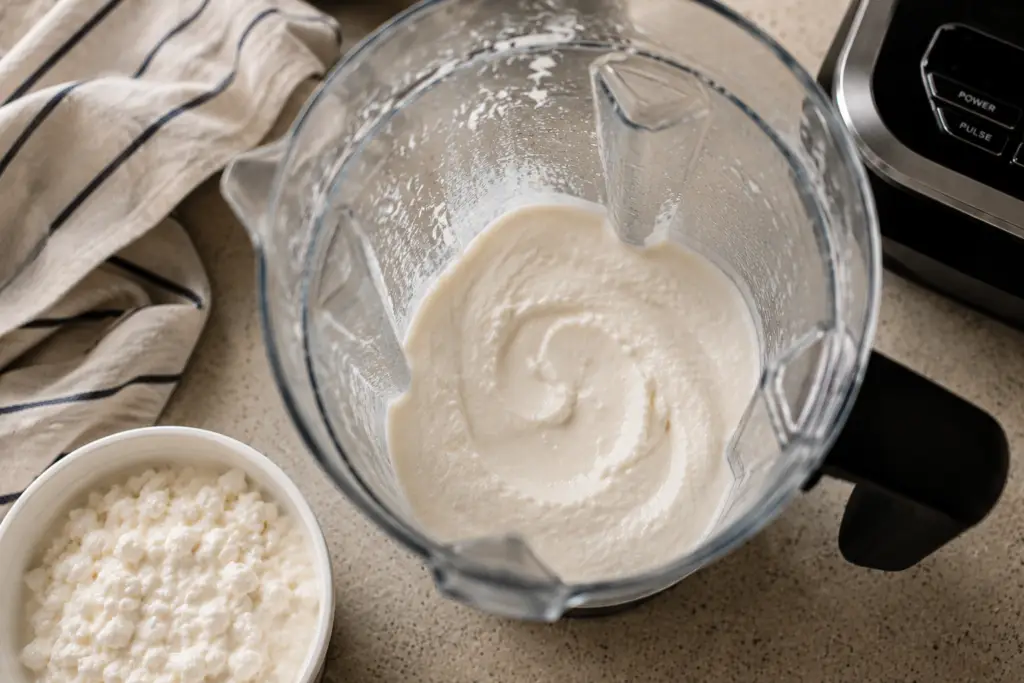
After 20 to 60 seconds of blending, cottage cheese becomes thick and creamy with a consistency closer to yogurt or whipped ricotta.
That can make it easier to incorporate throughout a batter.
Blending Cottage Cheese Helps With Texture
This is probably the biggest reason I blend it.
Imagine biting into a chocolate brownie and seeing a little white cottage cheese curd inside. The brownie may taste perfectly fine, but the texture and appearance are not quite what you were expecting.
Blending gives you a much smoother result.
It Distributes the Cottage Cheese More Evenly
Once cottage cheese is creamy, it mixes more evenly with the other wet ingredients.
Instead of pockets of cottage cheese, you get that moisture spread throughout the batter.
It Makes Cottage Cheese Easier to Hide
If you are baking for someone who immediately announces, “I don’t like cottage cheese,” this is especially helpful.
Once blended into something like chocolate cake, pancakes, muffins, or brownies, the cottage cheese is much harder to spot.
It Works Better in Creamy Desserts
Cheesecake is the perfect example.
Traditional cheesecake gets its signature texture from smooth cream cheese. If you replace some or all of that with cottage cheese, tossing chunky cottage cheese directly into the filling can leave you with a grainier texture.
Blend it first and you are starting with a much creamier base.
How to Blend Cottage Cheese for Baking
You do not need to add anything complicated.
Basic Blended Cottage Cheese
You need:
- 1 cup cottage cheese
Directions:
- Add the cottage cheese to a high-speed blender or food processor.
- Blend for about 30 seconds.
- Scrape down the sides.
- Blend again until smooth and creamy.
- Measure the amount needed for your recipe unless the recipe specifically tells you to measure before blending.
That is it.
Depending on your blender and the amount of cottage cheese, it may take anywhere from about 20 seconds to a minute.
Should You Add Liquid When Blending Cottage Cheese?
Usually, no.
Cottage cheese already contains moisture, and adding extra milk or water can make your baking recipe too wet.
Start by blending it on its own.
If your blender truly will not catch the cottage cheese, stop and scrape down the sides several times. For a very small amount, a food processor or immersion blender may work better.
If your recipe already calls for milk, you can add a tablespoon of that milk to the blender if absolutely necessary. Just remember to count it toward the liquid in your recipe.
Full-Fat vs Low-Fat Cottage Cheese for Baking
I usually prefer full-fat cottage cheese for baking, especially for desserts.
Full-fat cottage cheese tends to blend into a richer and creamier consistency. That extra fat can also be helpful when cottage cheese is replacing ingredients such as cream cheese, sour cream, or another creamy dairy product.
Low-fat cottage cheese can still work, particularly in:
- Pancakes
- Muffins
- Protein breads
- Breakfast bakes
- Waffles
- Higher-protein recipes
I would be more cautious with fat-free cottage cheese. It can be thinner or less creamy depending on the brand, which may change the finished texture.
Small-Curd vs Large-Curd Cottage Cheese
Once you blend cottage cheese thoroughly, the curd size does not matter nearly as much.
Small-curd cottage cheese may become smooth slightly faster, but both can work.
What matters more is the moisture level.
Some cottage cheese brands contain noticeably more liquid than others. If yours looks particularly watery, avoid pouring extra liquid from the container into the blender.
Every Baking Recipe Where I Blend Cottage Cheese First
This is where that blender really earns its counter space.
1. Cottage Cheese Cheesecake
If there is one cottage cheese dessert where I would not skip the blender, it is cheesecake.
You want the filling creamy, not curdy.
Blend the cottage cheese completely smooth before combining it with your other cheesecake ingredients. If you are using eggs, I prefer getting the cottage cheese smooth first rather than blending everything aggressively for a long time after the eggs are added.
Too much air in cheesecake batter can contribute to excessive rising and cracking.
Verdict: Always blend first.
2. Cottage Cheese Brownies
Chocolate makes cottage cheese incredibly easy to disguise, but texture still matters.
Blend the cottage cheese before combining it with cocoa powder, eggs, sweetener, flour, or melted chocolate.
This gives the brownies a smoother batter without little white specks throughout.
Verdict: Blend first.
3. Cottage Cheese Muffins
For muffins, blending depends somewhat on the recipe.
If cottage cheese is being used mainly for moisture and protein, I blend it.
Blueberry muffins, banana muffins, chocolate muffins, and lemon muffins are all good candidates.
If you do not mind a slightly more textured muffin, you can sometimes skip blending, but I prefer the smoother result.
Verdict: Usually blend.
4. Cottage Cheese Pancakes
This one depends on what type of pancake you are making.
Some classic cottage cheese pancake recipes intentionally keep some texture. That can be delicious.
But if you want fluffy pancakes that look and feel closer to traditional pancakes, blend the cottage cheese.
You can even blend the cottage cheese with the eggs before adding the dry ingredients.
Verdict: Blend for traditional pancake texture. Leave chunky if you like cottage cheese-style pancakes.
5. Cottage Cheese Waffles
I almost always blend cottage cheese for waffles.
A smooth batter spreads more evenly across the waffle iron and gives you a more consistent texture.
Verdict: Blend first.
6. Cottage Cheese Banana Bread
Banana bread already has plenty going on when it comes to texture, so you do not want cottage cheese curds competing with mashed banana.
Blend the cottage cheese until creamy, then mix it with the banana and remaining wet ingredients.
Verdict: Blend first.
7. Cottage Cheese Cake
If you are using cottage cheese in a traditional-style cake batter, blend it.
Vanilla cake, chocolate cake, lemon cake, snack cake, and loaf cake all benefit from having the cottage cheese completely smooth before it hits the batter.
Verdict: Always blend for smooth cakes.
8. Cottage Cheese Chocolate Cake
Chocolate cake may be one of my favorite places to sneak cottage cheese into baking.
Cocoa powder has such a strong flavor and dark color that cottage cheese disappears easily.
The trick is getting rid of the curds first.
Blend your cottage cheese until creamy and then incorporate it into the wet ingredients.
Verdict: Definitely blend.
9. Cottage Cheese Quick Bread
Pumpkin bread, zucchini bread, chocolate bread, apple bread, and other quick breads can all use cottage cheese for extra moisture.
For these recipes, I prefer blended cottage cheese because you want it incorporated throughout the loaf rather than sitting in pockets.
Verdict: Blend first.
10. Cottage Cheese Cookies
Cookies are a little different.
Some cottage cheese cookie recipes are intentionally soft and textured, so blending may not be necessary.
But if you are using cottage cheese to replace part of another wet ingredient and want a more traditional cookie texture, blending is usually the safer option.
Verdict: Recipe dependent.
11. Cottage Cheese Protein Bakes
Protein baking can get dry very quickly.
Cottage cheese adds moisture while also adding protein, which is one reason it has become such a popular ingredient in breakfast bakes, protein cakes, baked oats, muffins, and similar recipes.
Blend it first when you want the finished bake to feel more like a traditional cake or muffin.
Verdict: Usually blend.
12. Cottage Cheese Frosting
Blend. Blend. Blend.
Nobody wants cottage cheese curds in frosting.
You want it completely smooth before adding your remaining ingredients.
Verdict: Always blend.
13. Cottage Cheese Dessert Filling
If you are making a creamy filling for crepes, cakes, pastries, or another dessert, blending gives cottage cheese a much smoother texture.
Verdict: Blend first.
When You DON’T Need to Blend Cottage Cheese
Your blender does not need to come out every time you open the cottage cheese container.
I usually skip blending when making recipes such as:
- Egg casseroles
- Breakfast casseroles
- Savory muffins where texture is welcome
- Lasagna
- Stuffed shells
- Savory cottage cheese bowls
- Some egg bites
- Rustic breads
- Cottage cheese pancakes where you intentionally want texture
There is no baking rule saying cottage cheese must always be smooth.
The question is simply whether the curds make sense in the finished recipe.
Can You Blend Cottage Cheese Ahead of Time?
Yes.
This can actually save time if you bake with cottage cheese regularly.
Blend a larger amount, transfer it to an airtight container, refrigerate it, and use it over the next few days while following the storage guidance on your original cottage cheese package.
I would label the container with the original expiration date so it does not get forgotten in the back of the refrigerator.
Give it a stir before measuring because some separation can happen as it sits.
Can You Use an Immersion Blender?
Yes, and sometimes it is easier.
If you are only blending one cup or less, a large blender can be annoying because the cottage cheese sits below the blades.
An immersion blender works well for smaller amounts.
Place the cottage cheese in a tall container and blend until creamy.
Can You Use a Food Processor?
Absolutely.
A food processor works particularly well when you are blending a larger batch.
Process until the cottage cheese is creamy, stopping once or twice to scrape the sides.
Can You Blend Cottage Cheese in a Nutribullet-Style Blender?
Yes.
Small personal blenders can actually be perfect for this because the smaller container keeps the cottage cheese closer to the blade.
Just avoid adding unnecessary liquid.
How Smooth Should Cottage Cheese Be for Baking?
For cheesecake, frosting, mousse, cake, and other desserts where texture matters, I want it very smooth.
You should not see obvious curds.
The finished cottage cheese should look closer to thick Greek yogurt.
For muffins, pancakes, waffles, and quick breads, you can get away with a little more texture.
What Happens If You Don’t Blend Cottage Cheese?
Usually, nothing disastrous.
Your cake is not automatically ruined because you forgot to blend the cottage cheese.
You may simply notice:
- Small white curds
- Slightly uneven texture
- Pockets of moisture
- A more obvious cottage cheese appearance
- A less creamy cheesecake or filling
Whether that matters depends completely on what you are making.
In chocolate brownies, I want cottage cheese hidden.
In a rustic breakfast bake, I really do not care if I can see it.
Does Blending Cottage Cheese Change the Protein?
No meaningful amount.
You are changing the physical texture of the cottage cheese, not magically removing its protein.
If your cottage cheese contains 25 grams of protein in the amount you use, blending that same amount does not suddenly make the protein disappear.
The exact protein content will depend on the brand and serving size, so check your package if you are calculating nutrition for a recipe.
Does Blending Cottage Cheese Make It Taste Different?
Not really, but it can feel different.
Texture plays a big part in how we experience food.
Once cottage cheese is whipped smooth, it feels much creamier. When it is mixed with ingredients like cocoa powder, vanilla, cinnamon, fruit, maple syrup, or melted chocolate, the cottage cheese flavor can become much less noticeable.
That is one reason blended cottage cheese works so well in desserts.
Can Blended Cottage Cheese Replace Greek Yogurt?
Sometimes.
Blended cottage cheese and Greek yogurt can have similar creamy consistencies, but they are not identical ingredients.
Greek yogurt is tangier and can have a different moisture level. Cottage cheese may contain more sodium and can behave differently depending on the brand and fat percentage.
For forgiving recipes such as pancakes, muffins, quick breads, and some cakes, swapping one for the other can work.
For cheesecake or recipes that depend heavily on a specific dairy ingredient for structure, I would use a recipe written and tested for cottage cheese rather than making a blind 1:1 substitution.
Can Blended Cottage Cheese Replace Sour Cream?
In some baked goods, yes.
Blended cottage cheese can work well when sour cream is primarily there for moisture and creaminess.
Good places to try it include:
- Muffins
- Quick breads
- Pancakes
- Snack cakes
- Some loaf cakes
Again, moisture varies by cottage cheese brand, so a direct substitution will not behave exactly the same in every recipe.
Can Blended Cottage Cheese Replace Cream Cheese?
This is where I would be more careful.
Blended cottage cheese may look similar to softened cream cheese, but the two have very different fat and moisture levels.
For something like cottage cheese cheesecake, use a recipe specifically developed around cottage cheese.
I would not take your favorite traditional cheesecake recipe, replace all of the cream cheese with cottage cheese, and expect exactly the same result.
Cottage Cheese Baking Conversion Guide
Here is a simple starting point when a recipe specifically allows a cottage cheese substitution:
| Original Ingredient | Cottage Cheese Option | Blend First? |
|---|---|---|
| Greek yogurt | Blended cottage cheese | Yes |
| Sour cream | Blended cottage cheese | Yes |
| Ricotta | Cottage cheese | Usually |
| Cream cheese | Recipe dependent | Yes |
| Yogurt | Blended cottage cheese | Yes |
| Mayo in some baking recipes | Blended cottage cheese | Yes |
These are not automatic 1:1 substitutions for every recipe. Baking depends on moisture, fat, acidity, sugar, eggs, and flour working together, so use substitutions where the recipe can handle a little flexibility.
My Best Tip for Baking With Cottage Cheese
Blend first, measure carefully, then watch the moisture.
Cottage cheese varies quite a bit from brand to brand.
One container may be thick and creamy while another has noticeably more liquid.
That difference matters in baking.
If you are developing your own recipe or making substitutions, look at the consistency rather than assuming every container will behave exactly the same.
And if a recipe was specifically tested with cottage cheese, follow the amount listed rather than adding extra because the batter looks different from a traditional recipe.
Common Cottage Cheese Baking Mistakes
- Adding Extra Liquid to the Blender
Try blending without milk or water first. Extra liquid can throw off the batter.
- Not Blending Long Enough
Ten seconds may break up the biggest curds without actually making the cottage cheese creamy.
Keep going until you reach the texture your recipe needs.
- Assuming Every Cottage Cheese Brand Is the Same
They are not.
Some are thick. Some are wet. Some have more visible whey.
That can change your batter.
- Making Random 1:1 Substitutions
Cottage cheese is useful, but it cannot automatically replace cream cheese, butter, sour cream, yogurt, or oil in every recipe.
- Overblending Cheesecake Batter After Adding Eggs
Get the cottage cheese creamy first. Once the eggs are involved, mix only as much as the recipe requires.
Is Cottage Cheese Good for Baking?
Yes, and not just because cottage cheese is having a moment.
It can bring moisture, creaminess, and protein to recipes that can otherwise turn dry, particularly pancakes, muffins, quick breads, and protein desserts.
The trick is knowing how to use it.
For many recipes, that means treating cottage cheese as a creamy ingredient rather than a chunky one.
And that starts with your blender.
More Cottage Cheese Recipes and Baking Guides to Try
If cottage cheese has officially earned a permanent spot in your refrigerator, there are plenty of ways to keep using it.
Try it in:
- Cottage cheese cheesecake
- Cottage cheese brownies
- Cottage cheese pancakes
- Cottage cheese cookie dough
- Cottage cheese muffins
- Cottage cheese chocolate mousse
- Cottage cheese toast
- Cottage cheese flatbread
- Cottage cheese chips
- Cottage cheese alfredo
- Cottage cheese bagels
- Cottage cheese bread
- Cottage cheese ice cream
- Cottage cheese banana bread
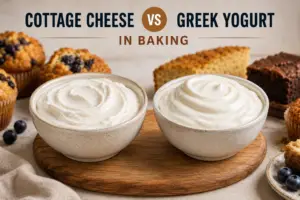
And if you are deciding between two popular high-protein baking ingredients, check out my Cottage Cheese vs Greek Yogurt in Baking guide to see which one makes more sense for your recipe.
Before You Go
If you are going to bake with cottage cheese regularly, remember one simple question:
Do I want to see or feel the curds in the finished recipe?
If the answer is no, blend it first.
That 30-second step can turn chunky cottage cheese into a thick, creamy ingredient that mixes beautifully into cheesecake, brownies, muffins, pancakes, cakes, waffles, and quick breads.
It is simple, but it makes cottage cheese baking a whole lot easier.