
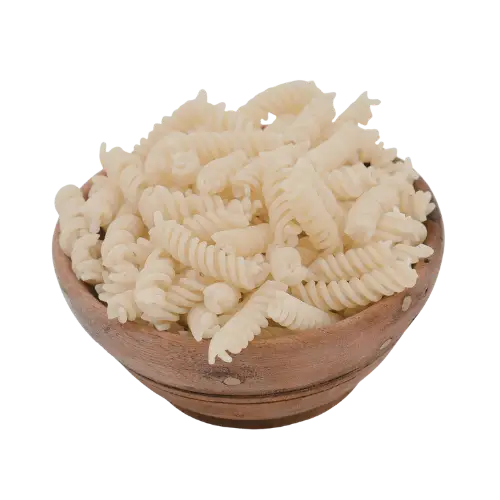
Rotini is the corkscrew-shaped pasta whose spirals trap sauce, dressing, and small ingredients in the grooves. The shape is particularly good for pasta salads (the dressing clings) and for sauces with small chopped ingredients (the bits get caught in the curves). Reader favorites that build on it include Tuscan Chicken Pasta and Creamy Cottage Cheese Pasta Sauce where the spiral shape of rotini (or similar short pasta) catches and holds the sauce in every bite.

Rotini and fusilli are similar corkscrew-shaped pasta but with different twist tightness. Rotini has tighter, more compact spirals; fusilli has looser, longer spirals. Both work in nearly all applications interchangeably. Rotini is more common in American supermarkets; fusilli is more common in Italian markets and specialty pasta brands.
For pasta salads, the spiral shape catches dressing in every groove and holds it through hours of marinating. The standard pasta salad is 1 pound rotini + 1 cup cubed mozzarella or cheddar + 1 cup chopped vegetables (bell peppers, cucumber, tomato, red onion) + 1/2 cup Italian dressing, chilled 2-4 hours before serving. The flavor improves overnight as the pasta absorbs the dressing.
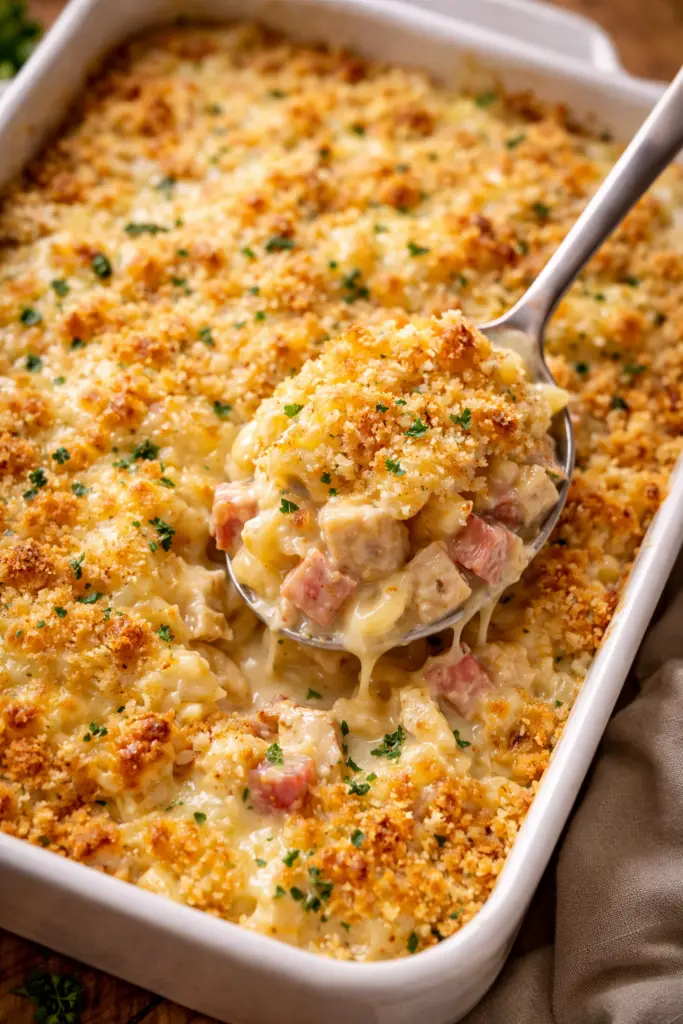
For baked pasta dishes, rotini holds up better than smooth pastas because the spiral grooves catch cheese and sauce. The standard ratio is 1 pound rotini + 1.5 quarts sauce + 2 cups cheese, baked at 375°F for 25 minutes. Pairs particularly well with creamy sauces (alfredo, cottage cheese, ricotta) where the grooves hold the rich sauce.
For chunky sauces, rotini catches small ingredients (chopped olives, capers, sun-dried tomatoes, finely diced vegetables) in the spirals. Smooth sauces work too but show off the pasta shape less; chunky sauces are the natural partner.
For tri-color rotini, the colors come from spinach and tomato added to the dough. The flavor difference is minimal but the visual interest works for kids and party platters. Use tri-color in pasta salads and cold preparations where the colors show; cooked in red sauce, the colors mostly disappear.
For cooking, rotini takes 8-10 minutes to reach al dente in salted boiling water. Test for doneness starting at 7 minutes and pull when there’s still slight chew at the center. Drain immediately; reserve 1 cup pasta water before draining in case the sauce needs thinning.
For substitution, any short pasta with surface texture or grooves works in rotini applications. Penne, gemelli (twisted pairs), and cavatappi (corkscrews with hollow centers) are the closest substitutes. Smooth pastas like ziti or shells work but lose the dressing-catching texture that makes rotini ideal for cold salads.
For storage, uncooked rotini keeps 1-2 years in a sealed pantry container. Cooked rotini keeps 3-4 days refrigerated; toss with 1 teaspoon olive oil to prevent sticking. Pasta salads keep 4-5 days refrigerated and often taste better on day 2 after the flavors meld. Browse pasta and rigatoni for closely related pasta shapes. Reader favorites built on it include Homemade Hamburger Helper and The Best Slow Cooker Goulash.
Rotini pasta is great for holding sauces, making it ideal for pasta salads, creamy dishes, and baked casseroles.
Rotini pasta is made from durum wheat semolina dough that is extruded and twisted into a spiral shape before being dried.
Rotini has tighter, shorter spirals, while fusilli has longer, looser twists. Both hold sauce well but differ slightly in shape and texture.
Rotini is best used for pasta salads, baked dishes, and meals with thick sauces that can cling to its spiral shape.
For more pasta and Italian options, see our rigatoni pasta and marinara sauce recipes.