
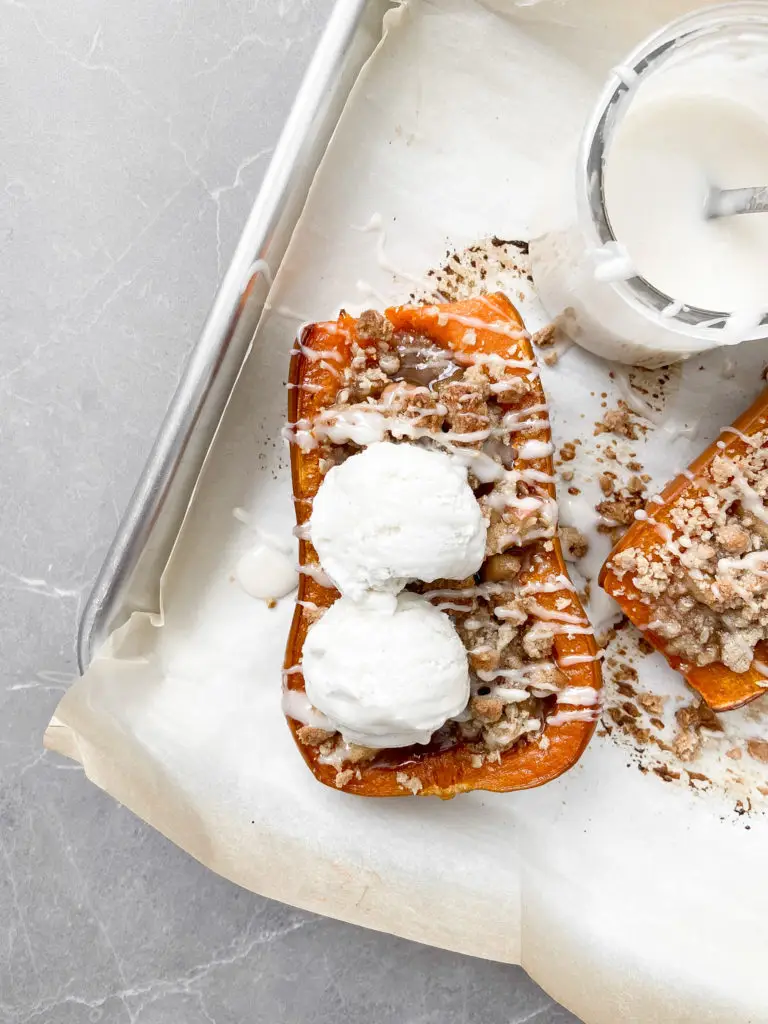
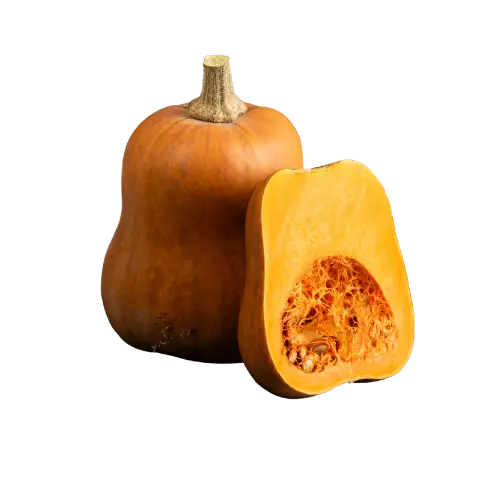
Honeynut squash is the small, dark-orange winter squash (a butternut-and-buttercup hybrid developed in the 2000s) with a sweeter flavor and a single-serving size. The skin is edible after roasting; one whole squash serves 1-2 people. Best applications: roasted halves, stuffed mini-squash dinners, and any application where the sweet flavor is featured. A reader favorite that builds on it is Maple Roasted Honeynut Squash where the honeynut variety produces the most concentrated, candy-sweet flavor of any winter squash.
Honeynut squash is a relatively new cultivar, developed at Cornell University in the early 2000s as a butternut-buttercup hybrid. The squash is smaller (each about 6-8 inches long, 1-1.5 pounds), darker orange when ripe, and noticeably sweeter than butternut. The thin skin is edible after roasting, making prep dramatically easier than butternut squash.
For roasted honeynut halves, the standard preparation is to cut each squash in half lengthwise, scoop out the seeds, brush the cut sides with olive oil or butter, sprinkle with salt, roast at 400°F for 30-35 minutes until tender. One half is a perfect side dish portion; the small size means each diner gets a whole half without portioning.
For maple-glazed honeynut squash, brush the cut sides with maple syrup + butter + a sprinkle of cinnamon or nutmeg before roasting. The natural sugars combine with the maple to caramelize during roasting; the finished squash is almost candy-like in sweetness, balanced by the savory cooking method.
For stuffed honeynut squash, scoop out the cooked flesh from a roasted half, leave a 1/4-inch shell, mix the flesh with cooked grains (quinoa, farro, wild rice), nuts, dried fruit, and cheese, stuff back into the shells, broil briefly until golden. The result is an elegant vegetarian main course suitable for fall dinner parties.
For honeynut squash soup, peel and cube the squash (the skin is technically edible but blends rougher in soup), saute with onion and garlic, add chicken or vegetable broth, simmer until tender, blend smooth. Finish with cream or coconut milk and warm spices (ginger, nutmeg, curry powder). The natural sweetness of the squash produces a soup that needs minimal added sugar or sweetener.
For substitution, butternut squash works as a 1:1 substitute in most recipes with slightly less sweetness and slightly more vegetable structure. Acorn squash, kabocha, and delicata work as well; each has slightly different texture and sweetness. Buttercup squash is the closest match in flavor profile.
For purchasing, look for honeynut squash that’s deep tan-orange in color with firm skin. Green-tinged squash is underripe; it ripens further at room temperature but never reaches full sweetness. Soft spots or moldy patches indicate the squash is past prime.
For roasting whole, prick the skin in several places (to prevent steam buildup), roast at 400°F for 50-60 minutes until soft when pressed. This is the easiest preparation if you don’t want to cut the raw squash; let it cool, slice in half, scoop out seeds.
For storage, whole honeynut squash keeps 1-2 months in a cool dark place (a pantry shelf, not the refrigerator). Cut squash keeps 4-5 days refrigerated tightly wrapped. Roasted squash keeps 5-7 days refrigerated or freezes well for 6 months. Browse butternut squash and maple syrup for closely related fall ingredients.
Honeynut squash has a sweet, rich flavor similar to butternut squash but more concentrated. The flesh is smooth and slightly nutty with natural caramel notes when roasted. Its sweetness makes it ideal for roasted dishes, soups, and seasonal side recipes.
Honeynut squash works well in roasted dishes, soups, purees, and grain bowls. Its small size and sweet flavor make it ideal for roasting halves or cubes. It can also be used in fall side dishes, salads, and blended soups.
Honeynut squash is smaller and sweeter than butternut squash. It has a darker skin and more concentrated flavor. Butternut squash is larger and milder, while honeynut squash often roasts faster and develops deeper caramelization.
Honeynut squash contains fiber, vitamins, and antioxidants that support overall health. It is a good source of vitamin A and vitamin C, which help support immune function. Including squash in balanced meals can add nutrients and natural sweetness to dishes.
For more honeynut and winter squash options, see our pumpkin and sweet potato recipes.