
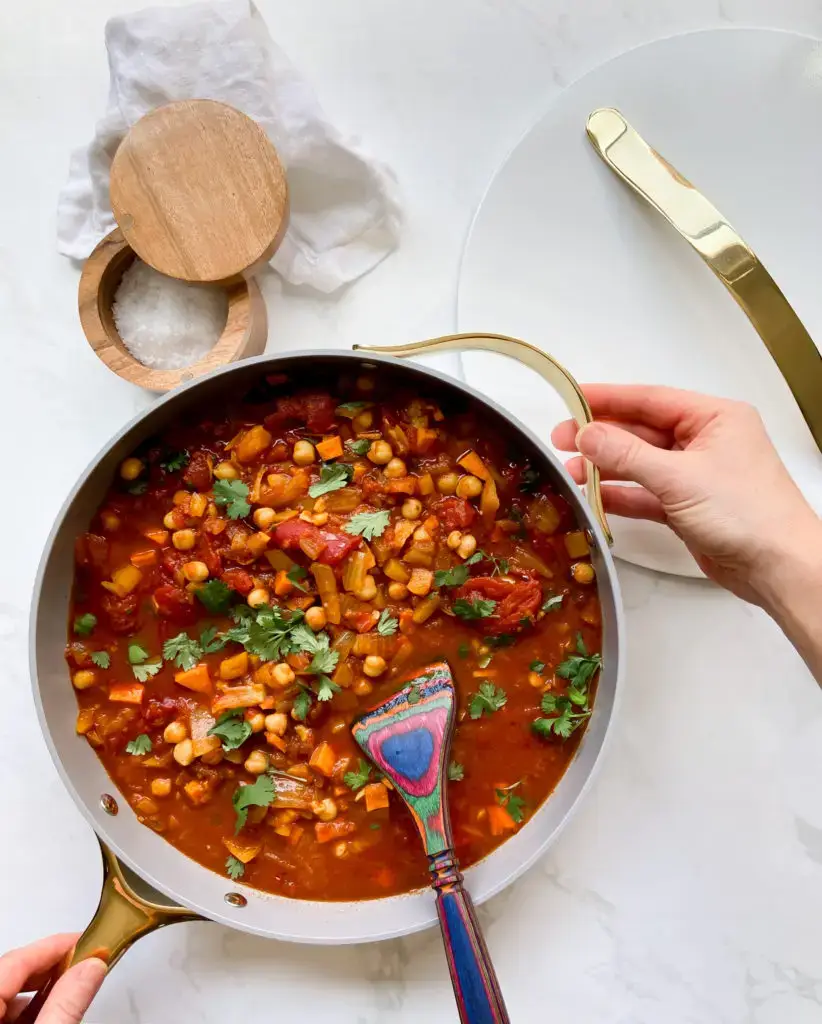
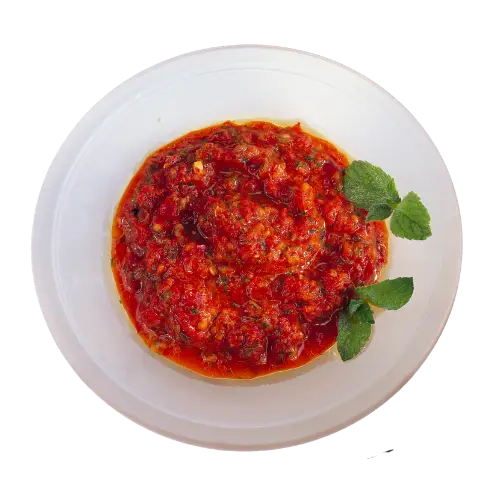
Harissa sauce is the North African chile paste made from roasted red peppers, garlic, olive oil, and warm spices (cumin, coriander, caraway). The heat varies by brand; Moroccan styles tend to be milder, Tunisian styles are usually hotter. Best applications: marinades for chicken and lamb, stews, soups, and any dish needing complex chile heat with depth.
Harissa varies significantly by regional origin. Moroccan harissa tends to be milder, with more cumin and caraway notes alongside the chile heat. Tunisian harissa (often considered the original) is hotter, smokier, and includes more roasted red pepper. Both contain similar core ingredients: roasted red bell peppers, dried chiles (often guajillo, ancho, or red jalapeños), garlic, olive oil, lemon juice, and warm spices (cumin, coriander, caraway).
For marinades, harissa thinned with olive oil and lemon juice makes an aggressive marinade for chicken, lamb, or fish. The standard ratio is 3 tablespoons harissa + 3 tablespoons olive oil + 2 tablespoons lemon juice + salt per pound of protein. Marinate 2-12 hours; the harissa penetrates the protein and produces deep red color when grilled or roasted.
For stews and tagines, harissa goes into the base along with onions and tomatoes. The chile heat builds during long cooking; what tastes mildly spicy at the start becomes deeply seasoned by the end. The standard amount is 2-3 tablespoons harissa per quart of stew.
For dipping sauces, harissa mixed with Greek yogurt produces a quick spicy dip for vegetables, pita, or grilled meat. The standard ratio is 1 cup Greek yogurt + 1 tablespoon harissa + 1 minced garlic clove + 1 tablespoon lemon juice + salt. The yogurt tempers the heat; adjust harissa amount based on tolerance.
For shakshuka, harissa adds the signature chile heat to the tomato-pepper sauce. The standard recipe is 1 onion + 1 red pepper sauteed + 1 can crushed tomatoes + 2 tablespoons harissa + spices, simmered 10 minutes, then eggs cracked on top and poached in the sauce until set.
For substitution, no single ingredient replaces harissa exactly. The closest approximation is sambal oelek + tomato paste + cumin + smoked paprika + a small amount of olive oil, blended together. The flavor is similar in profile but lacks the layered complexity of proper harissa. Chipotle paste or sriracha provide chile heat without the warm-spice complexity.
For homemade harissa, the basic technique is to roast and peel red bell peppers and dried chiles, blend with garlic, olive oil, lemon juice, and toasted whole spices. The recipe takes 60-90 minutes including roasting time. Homemade keeps 2-3 weeks refrigerated under a layer of olive oil.
For storage, opened harissa keeps 2-3 months refrigerated in the original jar (cover any exposed surface with olive oil to prevent drying). The flavor concentrates over time as the moisture decreases. Discard if mold appears. Browse smoked paprika and chipotle for closely related chile-based ingredients. Reader favorites built on it include One Pot Moroccan Lettuce Wraps.
A common substitute for harissa sauce is a mixture of chili paste, garlic, olive oil, and paprika. Sriracha or chili garlic sauce can also work in recipes that need similar heat. Adjust the amount based on the spice level you want in the dish.
Harissa sauce is typically made from chili peppers, garlic, olive oil, and spices such as cumin, coriander, and caraway. Some versions also include lemon juice or tomato paste. These ingredients are blended together to create a smooth, spicy condiment.
A simple harissa sauce recipe blends roasted chili peppers, garlic, olive oil, cumin, coriander, and salt. The ingredients are processed until smooth and adjusted with more oil or lemon juice for balance. The sauce can be stored in the refrigerator and used in many savory recipes.
Harissa sauce can be made by mixing harissa paste with olive oil, lemon juice, and a small amount of water to loosen the texture. Stir until smooth and adjust seasoning if needed. This creates a pourable sauce that works well for marinades or drizzling over dishes.
For more harissa and North African options, see our garlic and sesame oil recipes.