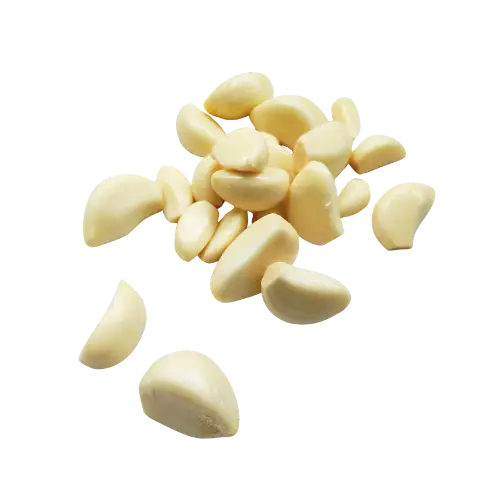
Fresh garlic, pre-minced jarred garlic, and granulated garlic each have appropriate uses. Fresh garlic cloves produce the most intense flavor with the brightest top notes; the volatile compounds responsible for fresh garlic taste degrade within hours of cutting. Pre-minced jarred garlic lacks the volatile freshness but works in long-cooked dishes where the harsh edge wouldn’t show. Granulated and powdered garlic are dried and ground; they’re useful in rubs, spice blends, and dishes where you want garlic flavor distributed evenly.
For mincing fresh garlic, the technique is to crush each clove with the flat of a knife (this loosens the papery skin for easy removal), then mince finely on the cutting board. Sprinkling kosher salt on the garlic and using the side of the knife to mash it produces garlic paste, which integrates more thoroughly into dressings and marinades.
For garlic bread, the standard recipe is 1 stick butter (room temperature) + 4 cloves minced garlic + 2 tablespoons chopped parsley + pinch of salt, spread on split crusty bread, broiled until bubbly and golden. The butter-to-garlic ratio of 1 stick to 4 cloves is the classic balance; less garlic produces underwhelming results, more produces overpoweringly pungent bread.
For roasted garlic, the technique is to cut the top off a whole head of garlic, drizzle with olive oil, wrap in foil, roast at 400°F for 40-45 minutes until soft and golden. The cloves squeeze out as a spreadable paste with mellow, sweet flavor very different from raw garlic. Spread on bread, stir into mashed potatoes, or fold into vinaigrettes.
For sauteed garlic in cooked dishes, the timing matters. Garlic burns quickly and turns bitter at high heat; the technique is to add garlic after onions have started to soften (not at the start of cooking) and to cook only 30-60 seconds before adding the next ingredient. Burned garlic ruins a dish and cannot be rescued.
For substitution, granulated garlic substitutes for fresh at a ratio of 1/4 teaspoon per clove. The flavor profile is different (less bright, more uniform) but it works in most applications where fresh garlic isn’t on hand. Garlic powder is more concentrated than granulated; use 1/8 teaspoon per clove.
For raw applications (salad dressings, aioli, raw garlic sauces), use the freshest garlic possible. Pre-minced jarred garlic produces a bitter, harsh flavor in raw uses that disappears when cooked but dominates if uncooked.
For storage, whole heads of garlic keep 3-4 months at room temperature in a cool dark place. Refrigeration is not recommended (it can cause sprouting). Individual cloves separated from the head keep 1-2 weeks. Once peeled, refrigerate and use within 1 week. Browse garlic powder and onion for closely related aromatics. Reader favorites built on it include Halal Chicken and Rice and Easy and Smooth Hummus.