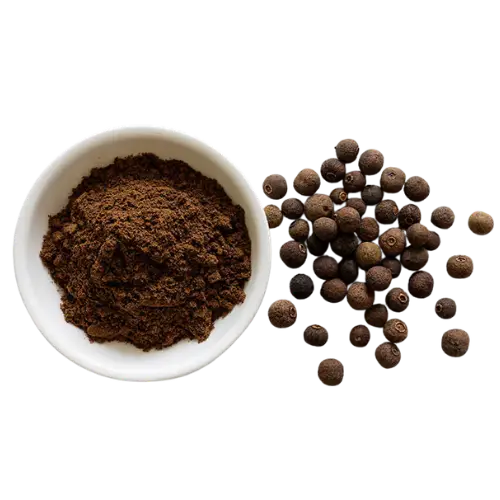
All-spice is a single dried berry from the Pimenta dioica tree, native to Jamaica. The name comes from European traders who thought the flavor combined cinnamon, nutmeg, and cloves into one ingredient. Whole all-spice berries keep 2-3 years in a sealed jar; ground all-spice loses flavor within 6 months. For most home applications, ground works fine, but whole berries toasted in oil at the start of a Caribbean stew produce the deepest, most authentic flavor.
All-spice differs from pumpkin pie spice (which is a blend of all-spice, cinnamon, nutmeg, ginger, and cloves). All-spice is one ingredient that approximates several; pumpkin pie spice combines several. Substituting all-spice for pumpkin pie spice produces a result that tastes ‘right’ but slightly thinner, the actual blend has more dimensional depth. For most pie applications, the pumpkin pie spice blend wins. For mulled drinks where one warm note is enough, all-spice alone is enough.
For Caribbean cooking, all-spice is what makes Jamaican jerk seasoning taste authentically Jamaican rather than generic spicy. The jerk paste is scotch bonnet peppers, all-spice, thyme, garlic, ginger, and brown sugar, blended into a thick rub. Without all-spice, the same paste tastes like a generic chili rub. brown sugar provides the caramelization that balances the heat during the long marinade.
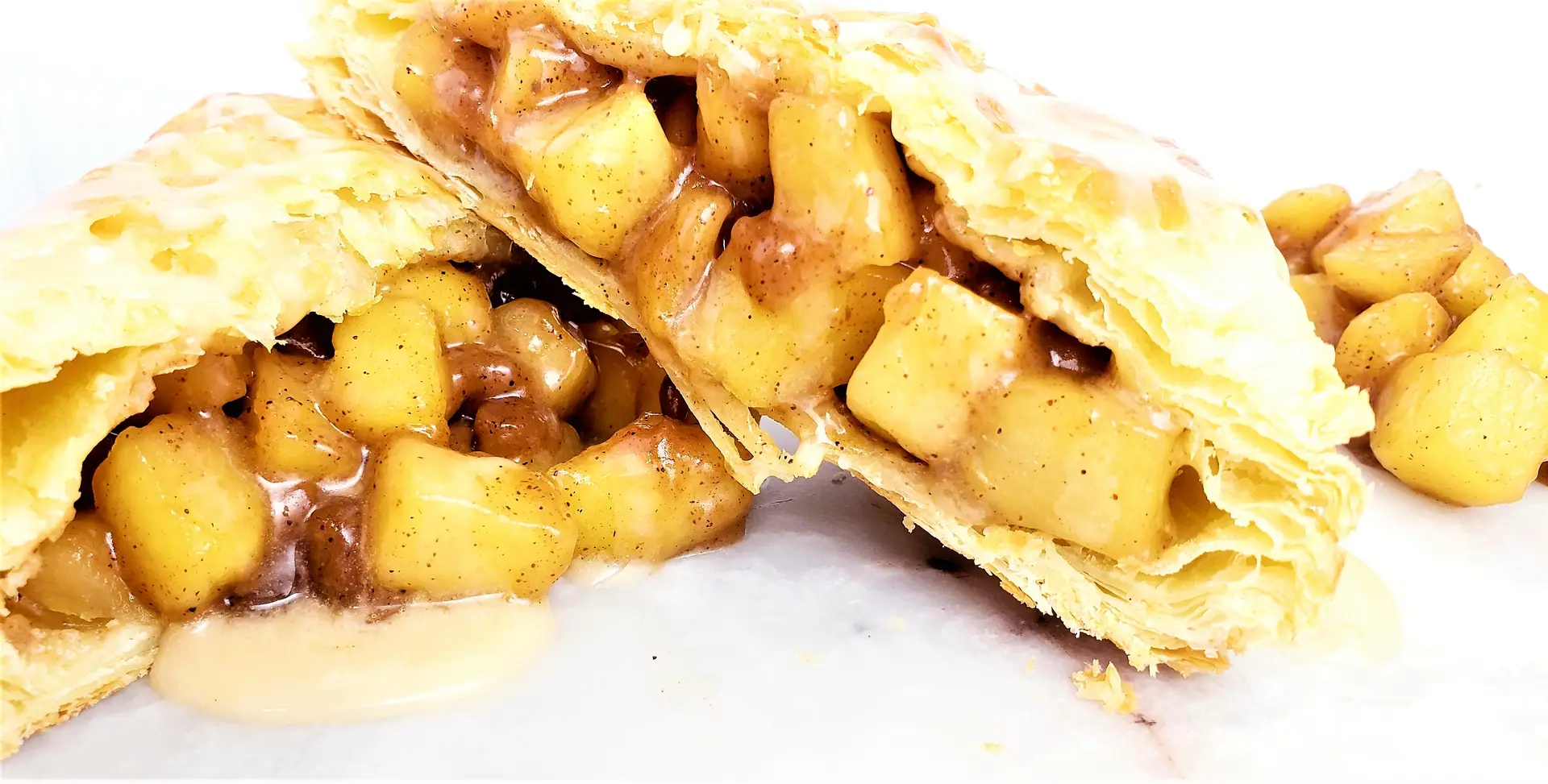
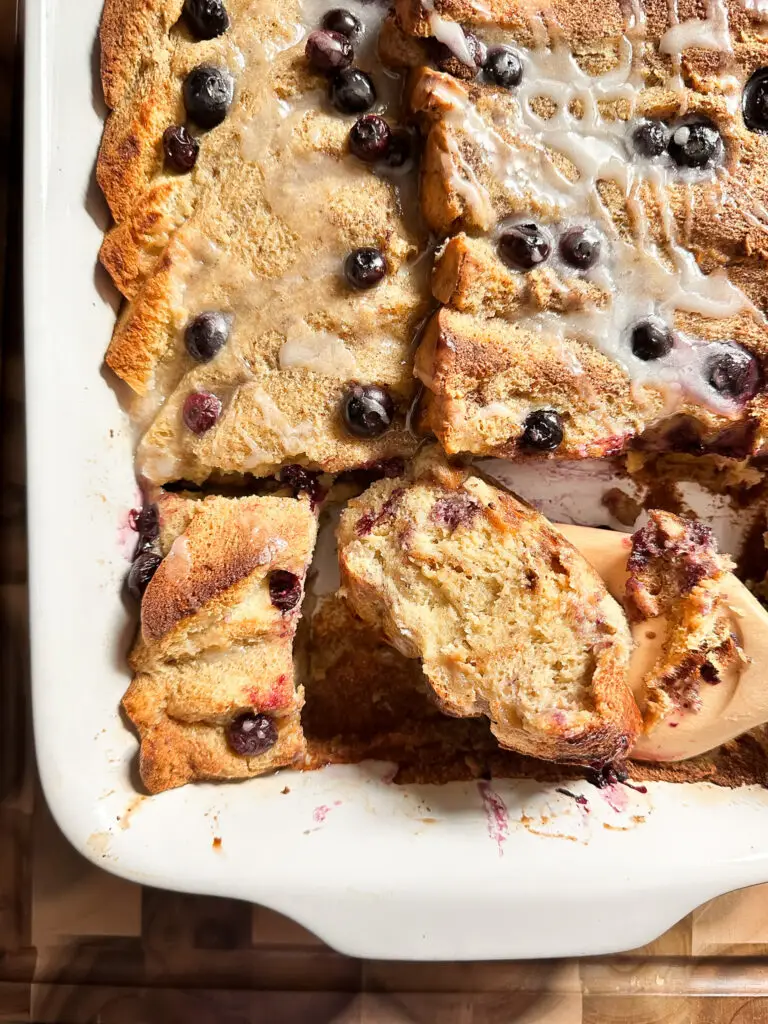
For storage, ground all-spice keeps best in a dark, dry pantry away from heat. The volatile oils dissipate quickly when exposed to light or humidity, which is why grocery store jars near a stove often taste dusty within months. For baking applications including apple pie, pumpkin pie, gingerbread, and most fall desserts, all-spice goes in at 1/4 teaspoon per cup of flour as a supporting note. cinnamon typically leads in the same dish, with all-spice underneath providing depth without being identifiable. Recipes that showcase allspice include Spiced Pumpkin Bread where the spice deepens the warm-spice profile, and Pumpkin blondies where it works alongside the brown butter in the bar batter. Browse cinnamon, nutmeg, and salt for closely related cooking applications.