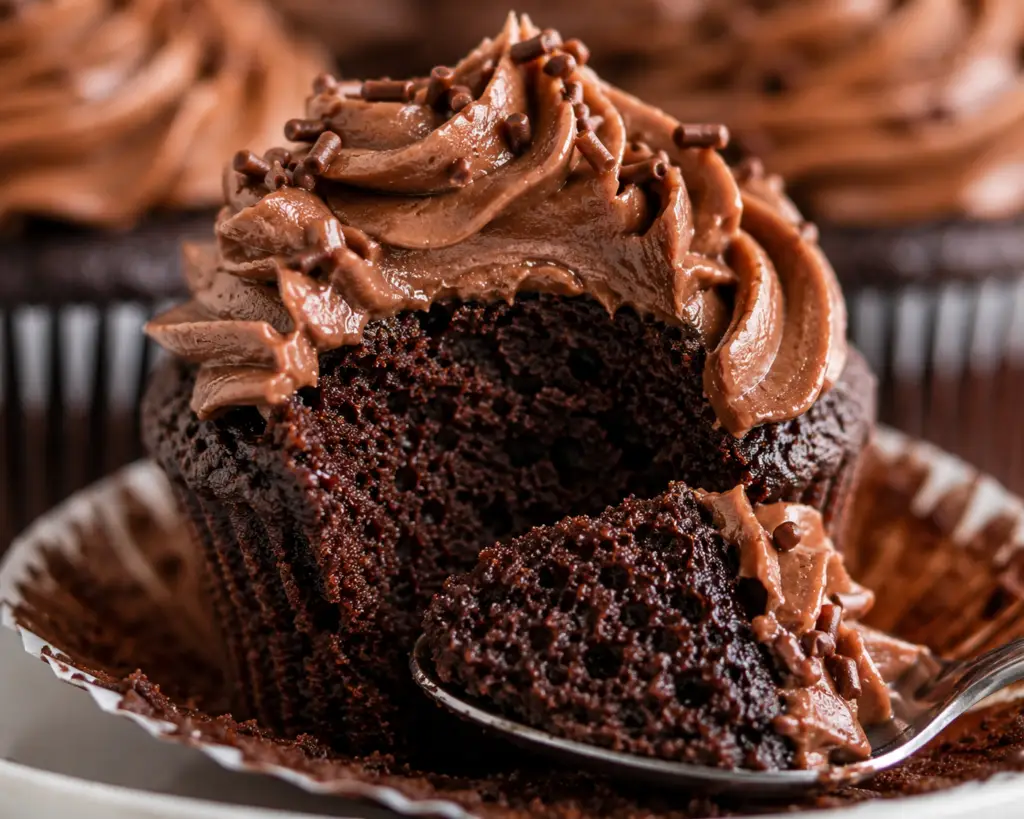
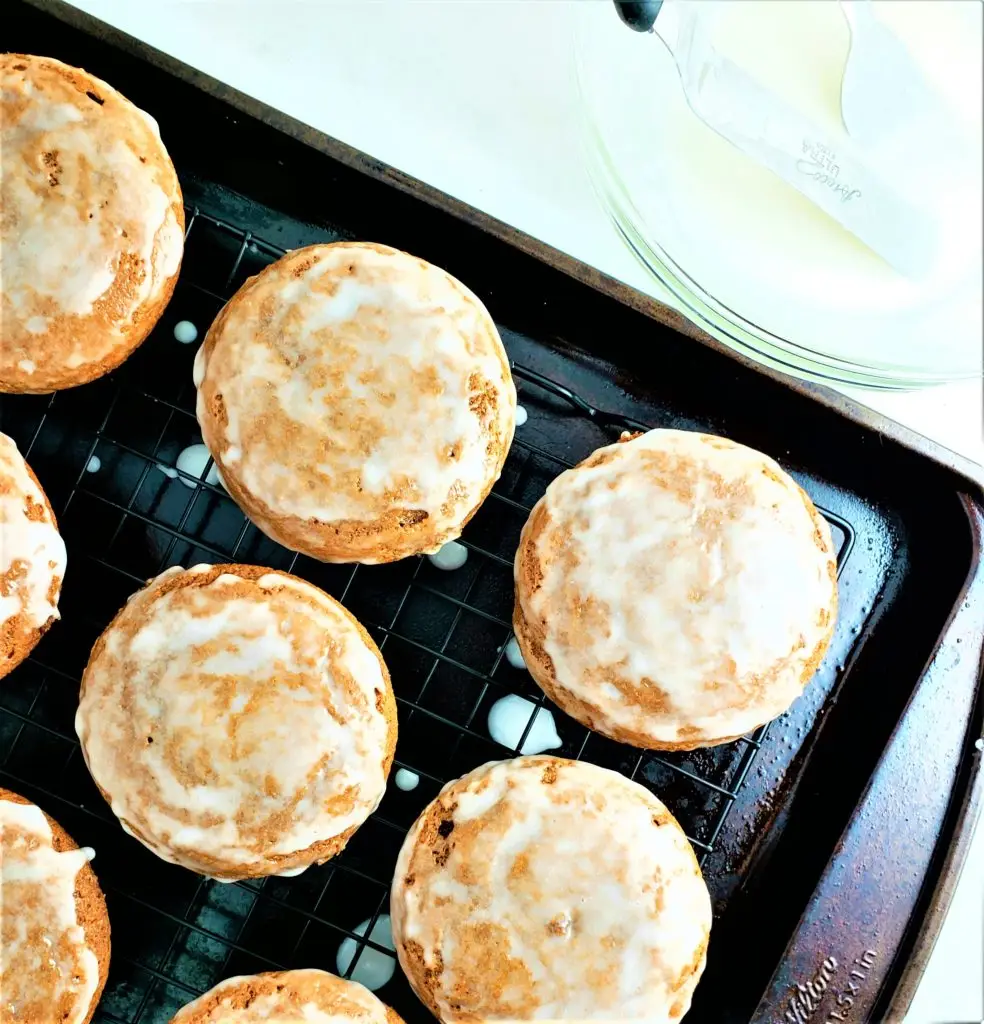
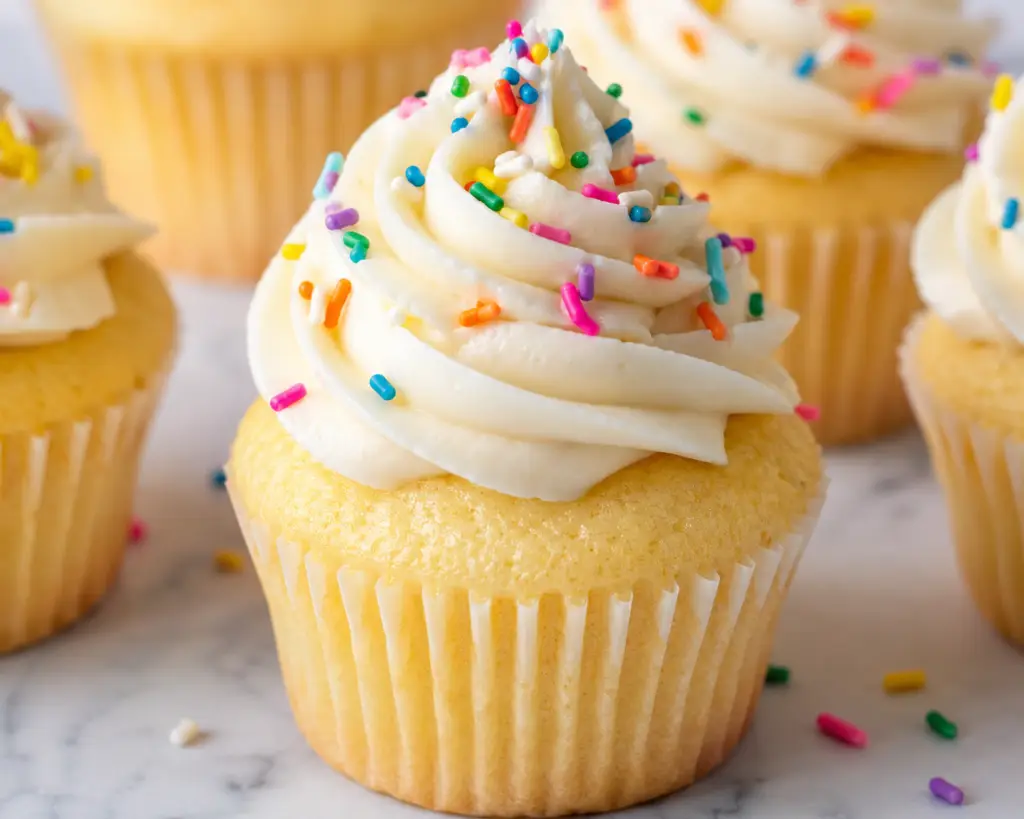
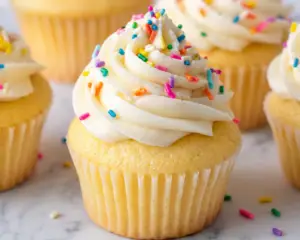
Cupcakes do more than scale a cake down to single-serving size. They portion themselves, travel better than layered cakes, fit into mixed-format dessert spreads, and let every guest at a party get the corner piece. Even other dessert recipes get adapted into cupcake form for the same reasons. Filling the liners higher than two-thirds full does not give you bigger cupcakes; it gives you flat-topped, ugly ones with batter baked onto the pan. The 18-to-22-minute bake time most cupcake recipes call for is not approximate. It is the difference between a domed cupcake and a hockey puck.
In the mixing bowl, cupcakes share most of their skill set with cookie recipes and other creamed-butter bakes. Too cold and the butter will not aerate, producing dense, heavy cupcakes that taste fine but lack lift. Too warm and the batter cannot hold the air it does pick up, producing the same flat result from the other direction. Most cake and cupcake recipes here use a five-minute creaming time at room temperature. A clean example is Tres Leches Cake baked in individual ramekins, where the creaming step determines whether the soaked cake reads light or soggy. Skip the patience at the mixer and the texture goes off.
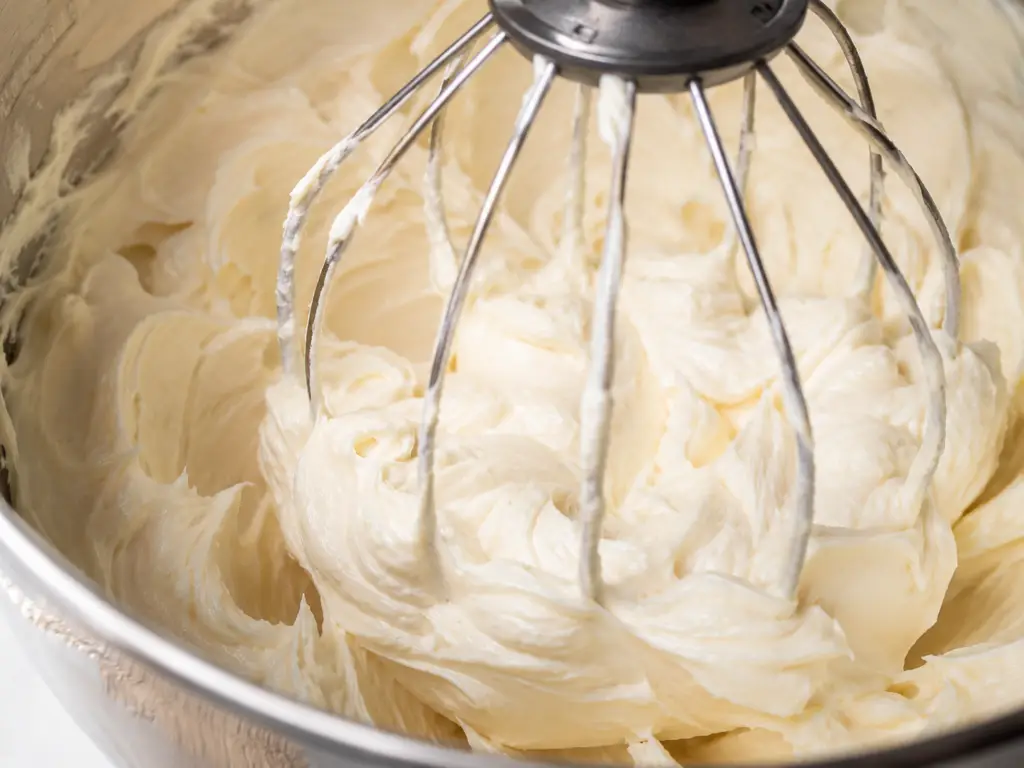
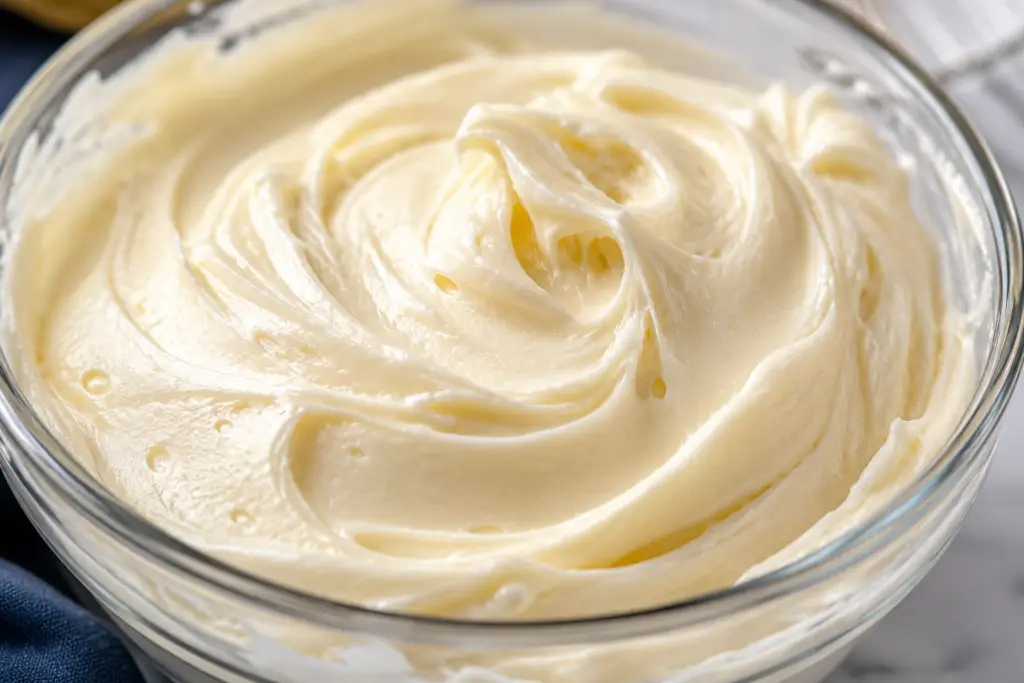
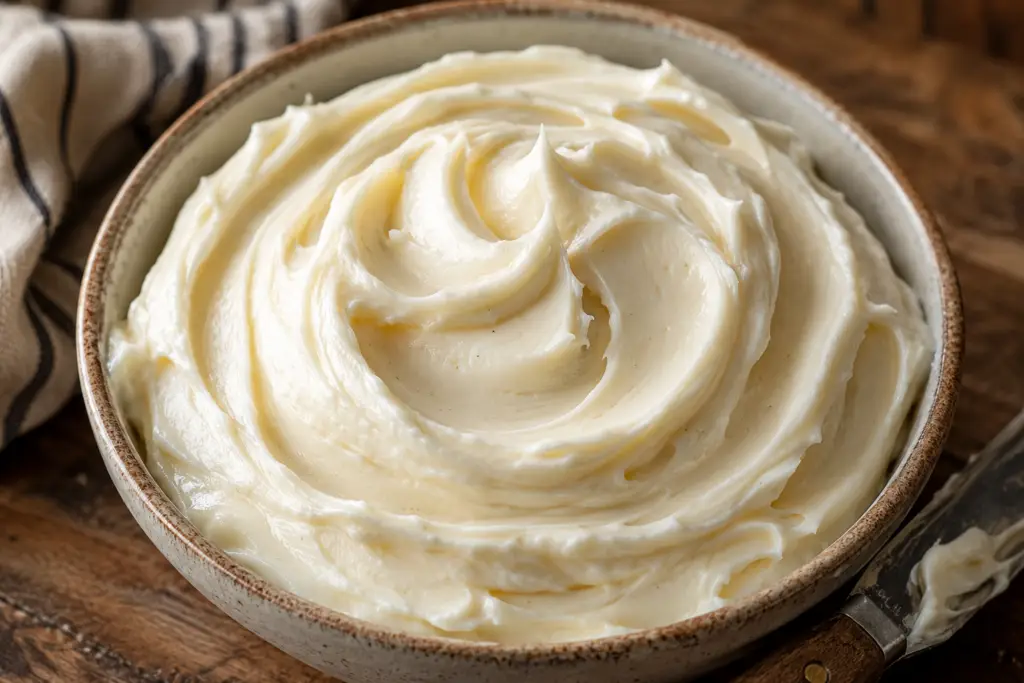
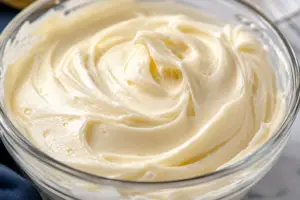
Frosting is the part most home cupcake bakes get wrong. A great cake topped with mediocre frosting is the most common cupcake mistake after liner overfilling. Real American buttercream needs room-temperature butter beaten until pale and fluffy, then powdered sugar added gradually, then vanilla and a splash of cream. Five minutes of mixing rather than two changes the texture from grainy to silky. It is the same creaming-time rule that makes Peanut Butter Cookies tender instead of dense. Patience at the mixer always pays, whether the dough is going into a tin or a sheet pan.
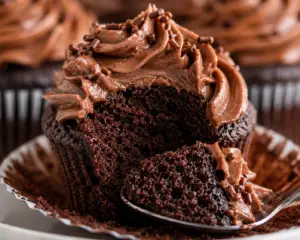
For birthday recipes specifically, cupcakes are the default dessert format. Kids’ parties are where slicing a layer cake genuinely fails — there is always a sad piece, an uneven portion, a child who got less than their friend. Cupcakes solve all of that. They also handle the mixed-format dessert spread better than a single cake, sitting alongside bars and cookies on the same table without competing for attention. For an adult dessert table, chocolate cupcakes finished with flaky salt on top follow the same sweet-and-salty principle that makes salted caramel work. The contrast keeps the whole spread from going one-note sweet.