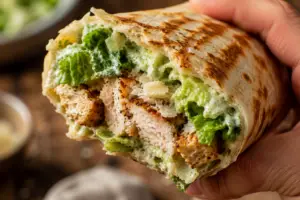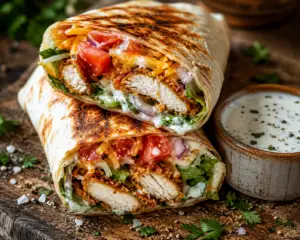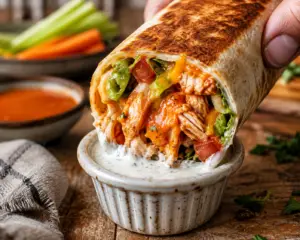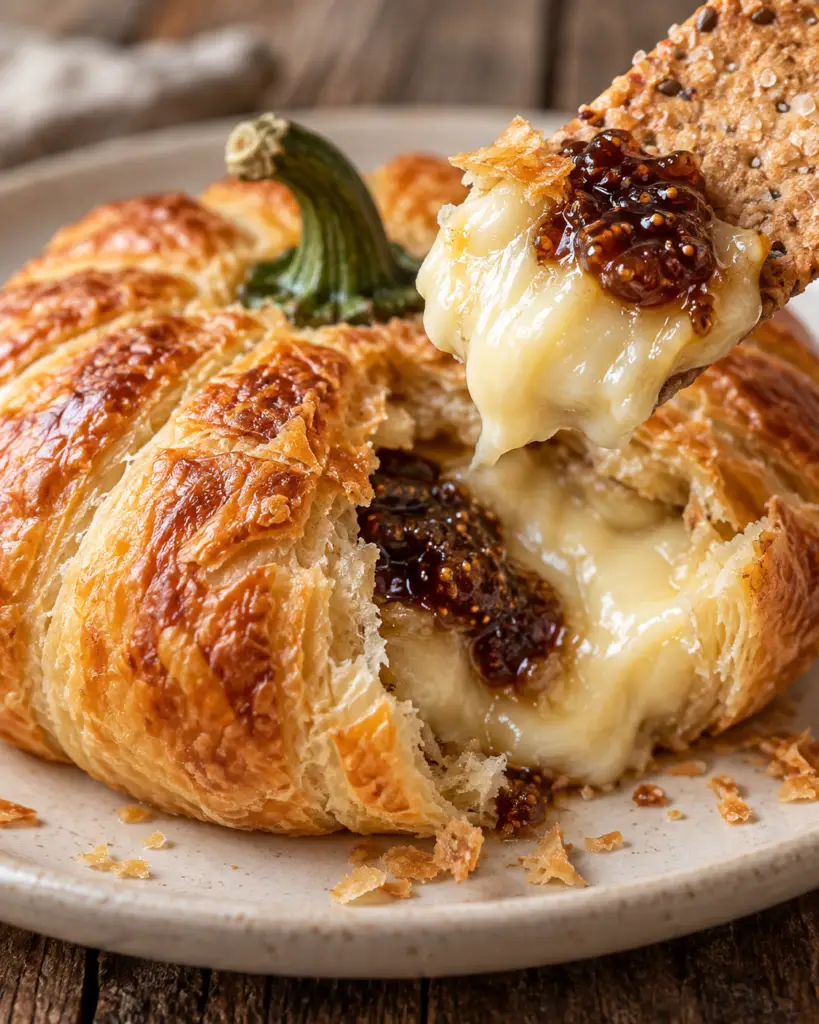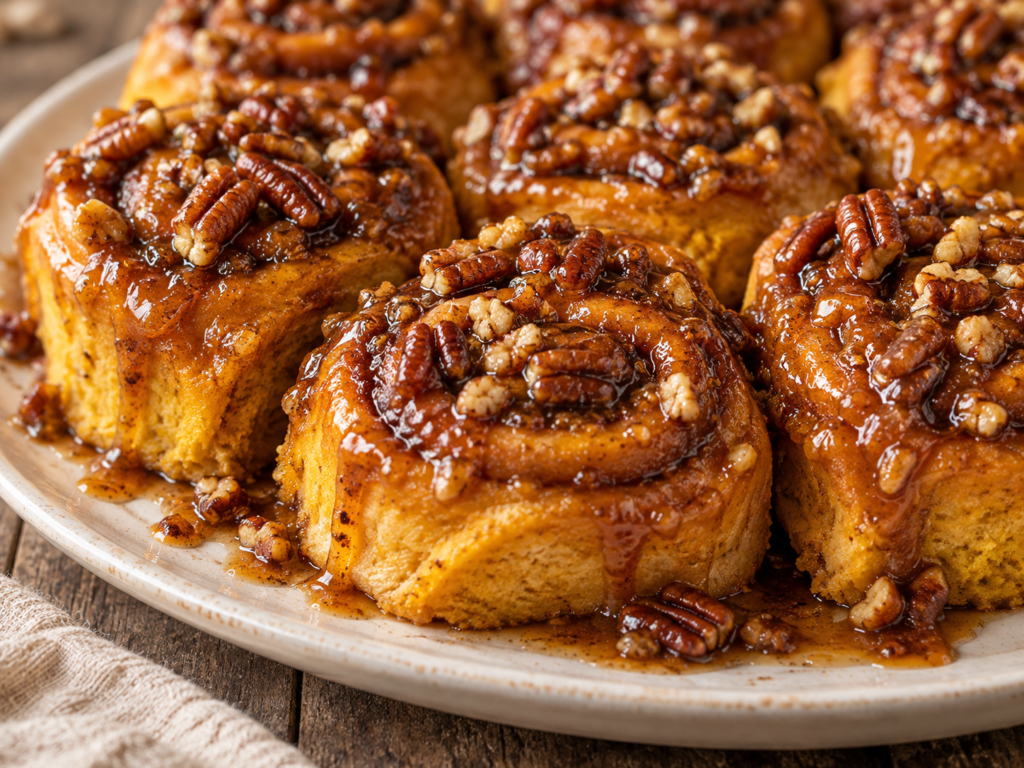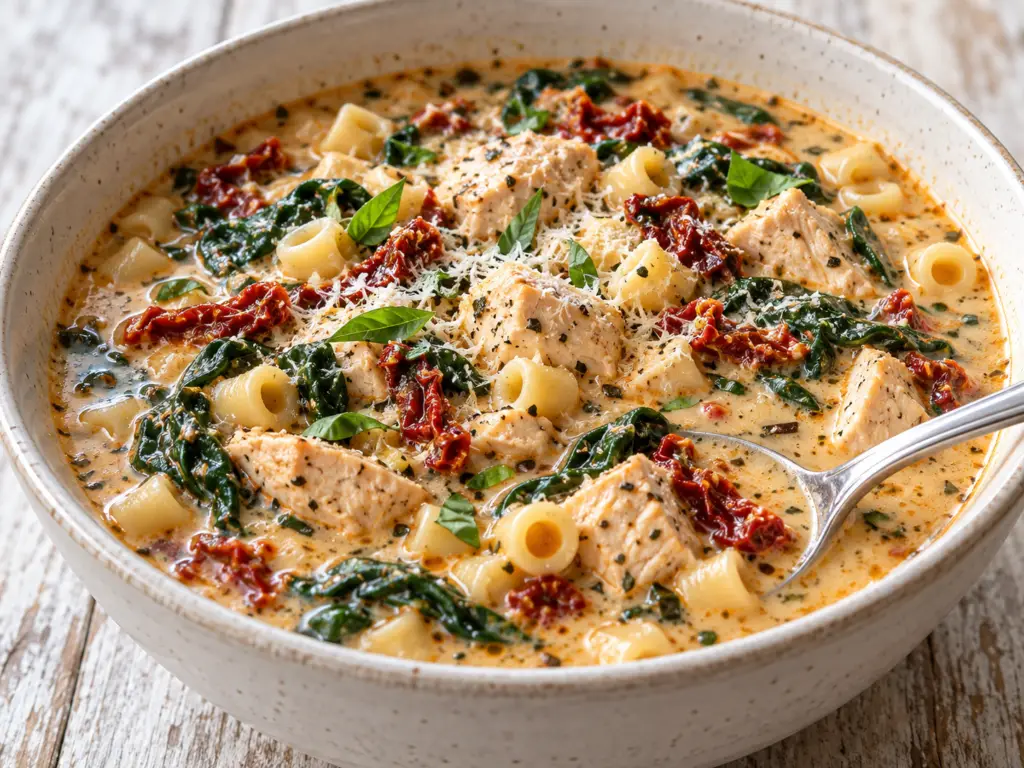
The Maillard reaction is the reason a steak develops a dark, savory crust, bread turns golden in the oven, and roasted coffee smells so rich. It is also behind the crispy edges on roasted potatoes, the toasted top of a casserole, and the deep flavor of properly browned butter.
This cooking reaction may sound scientific, but you use it every time you brown, toast, roast, bake, grill, or sear food. Once you understand how it works, you can use it to make everyday meals taste much better.
What Is the Maillard Reaction?
The Maillard reaction is a chemical reaction that happens when amino acids and certain sugars are exposed to heat. Amino acids are the building blocks of protein, so this reaction commonly occurs in foods such as meat, bread, dairy products, nuts, and vegetables.
As food heats, its amino acids and sugars begin forming new aroma and flavor compounds. These compounds create the browned color, roasted aroma, and savory taste we associate with well-cooked food.
The reaction was named after French chemist Louis-Camille Maillard, who described it in 1912. He was studying what happened when amino acids and sugars were heated together. Today, cooks rely on the same reaction to create color and flavor in everything from toast to roasted chicken.
Why Does Browning Make Food Taste Better?
Browning creates hundreds of new flavor and aroma compounds. Depending on the food and cooking method, these compounds can taste toasted, nutty, meaty, buttery, earthy, smoky, or slightly sweet.
Think about the difference between a boiled chicken breast and a roasted chicken breast. Both contain chicken, but the roasted version usually has more aroma and a deeper flavor because its dry surface has browned.
The same idea applies to vegetables. A boiled carrot tastes sweet and mild. A roasted carrot develops darker edges and a richer taste. Roasting does not simply heat the carrot. It creates new flavors on its surface.
Browning also changes texture. A crisp crust next to a tender center makes food more satisfying. That contrast is one reason seared steak, toasted bread, roasted potatoes, and baked cookies are so appealing.
What Temperature Does the Maillard Reaction Happen?
The Maillard reaction can begin at lower temperatures, but it becomes much faster once the surface of food reaches about 285°F. Strong browning often occurs between 300°F and 350°F.
Food that contains a lot of surface moisture has trouble reaching those temperatures right away. Water turns to steam at 212°F, so a wet surface stays relatively cool until much of that moisture evaporates.
This is why food may steam instead of brown when a skillet is overcrowded. The ingredients release moisture, and the trapped steam keeps their surfaces from getting hot enough for fast browning.
Higher heat can encourage the Maillard reaction, but hotter is not always better. Food can burn before the center finishes cooking. The goal is to use enough heat for browning while still controlling the cooking time.
The Maillard Reaction vs. Caramelization
The Maillard reaction and caramelization both create browning, but they are not the same process.
The Maillard reaction happens between amino acids and sugars. Because amino acids come from protein, this reaction is common in meat, bread, cheese, nuts, and many roasted foods.
Caramelization is the breakdown of sugar when it is heated. It does not need protein. You see it when granulated sugar melts and turns amber or when the natural sugars in onions become darker during slow cooking.
Both reactions can happen in the same dish. Roasted onions, for example, may develop flavor from both Maillard browning and caramelization.
Here is an easy way to remember the difference:
- Maillard reaction: protein plus sugar plus heat
- Caramelization: sugar plus heat
Examples of the Maillard Reaction in Everyday Cooking
You do not need a restaurant kitchen to see this reaction in action. It happens in many foods you probably cook every week.
- Seared Steak
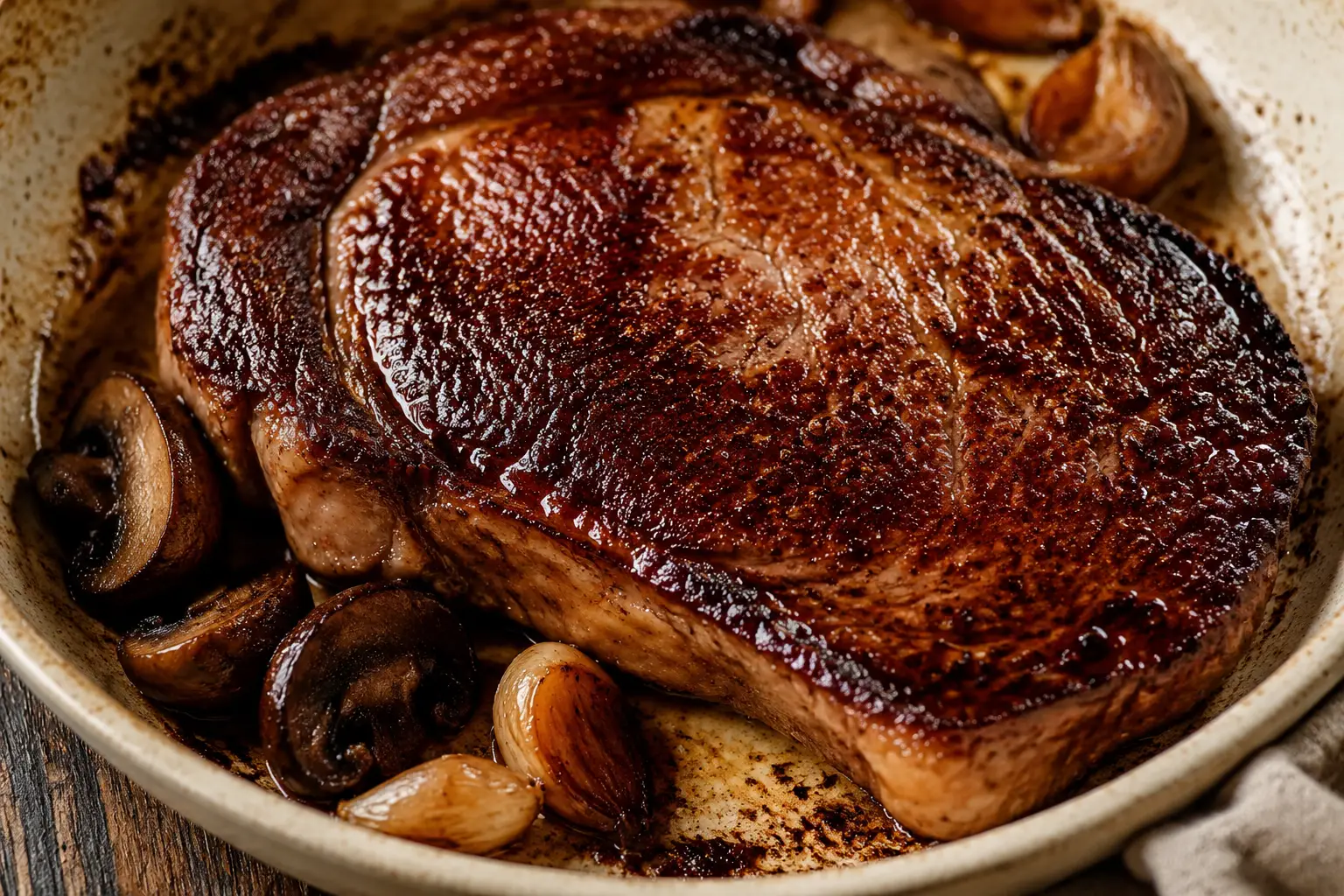
When a dry steak touches a hot skillet, its surface begins to brown. The dark crust contains many of the roasted and savory flavors people associate with a good steak.
A gray steak is not necessarily undercooked, but it usually means the surface steamed or cooked at a lower temperature instead of searing.
- Roasted Chicken
The golden skin on roasted chicken develops as heat dries and browns the surface. Patting the chicken dry and leaving space around it helps the skin become crisp instead of soft.
- Toasted Bread
Bread already contains protein and carbohydrates. Toasting it gives the surface enough heat to produce a golden color and a warm, nutty aroma.
The same reaction helps form the crust on a freshly baked loaf.
- Roasted Potatoes
Potatoes contain amino acids and natural sugars. When their surfaces dry in a hot oven, they turn golden and crisp.
Crowding the pan traps moisture, which is why potatoes placed too close together often remain pale and soft.
- Cookies and Cakes
The golden edges of cookies and the browned surface of a cake are partly caused by the Maillard reaction. Ingredients such as flour, eggs, milk, and sugar provide what the reaction needs.
Baking soda can also encourage browning because a less acidic environment helps the reaction happen faster.
- Grilled Vegetables
Zucchini, mushrooms, peppers, asparagus, corn, and onions all develop more flavor when their surfaces touch a hot grill or pan.
Mushrooms are a good example. They release plenty of water at first, but once that water cooks away, they begin to brown and develop a meatier taste.
- Coffee and Chocolate
Coffee beans and cocoa beans develop much of their familiar color and aroma during roasting. Heat creates many of the compounds that give these foods their toasted, bitter, nutty, and chocolate-like notes.
How Moisture Affects Browning
Moisture is one of the biggest reasons food fails to brown.
When wet food enters a hot pan, the surface water must evaporate before strong browning can begin. If too much water collects in the pan, the ingredients simmer or steam.
This does not mean the inside of food needs to be dry. A good steak can have a juicy center and a dry, browned exterior. Surface moisture is what matters most.
Use these simple habits to control moisture:
- Pat meat dry with paper towels before seasoning and cooking.
- Let frozen food thaw fully when the recipe calls for it.
- Drain canned vegetables and beans well.
- Avoid rinsing mushrooms unless needed. If you rinse them, dry them before cooking.
- Leave enough room between ingredients for steam to escape.
- Roast food on a large sheet pan instead of piling it into a small baking dish.
Why You Should Not Overcrowd the Pan
Every ingredient releases some moisture as it cooks. When too much food is packed into one skillet, that moisture becomes trapped.
Instead of making direct contact with a hot, dry surface, the food sits in steam. The pan temperature can also drop when a large amount of cold food is added at once.
Cooking in batches takes longer, but it usually gives you better color and texture. This is especially helpful when browning ground beef, mushrooms, chicken pieces, or sliced vegetables.
For sheet pan meals, spread the ingredients into a single layer. If everything does not fit comfortably, divide it between two pans.
How to Get Better Browning on Food
A few small changes can help you create stronger Maillard browning without burning dinner.
- Dry the Surface
Use clean paper towels to remove excess moisture from meat, seafood, tofu, and vegetables. A drier surface begins browning sooner.
- Preheat the Pan
Give your skillet time to heat before adding the food. A properly heated pan helps create quick surface browning.
The pan does not always need to be smoking hot. Medium-high heat is often enough, depending on the pan and the ingredient.
- Use the Right Amount of Oil
A thin layer of oil helps transfer heat between the pan and the food. It also fills tiny gaps that would otherwise prevent even contact.
Too much oil can make food greasy, while too little can cause sticking or uneven browning.
- Give Food Enough Space
Space allows moisture to escape. Leave a small gap between pieces of meat or vegetables.
If you are browning a large amount of food, work in batches and return everything to the pan after the final batch is done.
- Stop Moving the Food
Food needs steady contact with the hot pan to form a crust. Constant stirring prevents one side from browning.
Place the food in the pan, let it cook, and check it once it releases easily. If it is stuck, it may need another minute.
- Choose a Wide Pan
A wide skillet gives ingredients more contact with heat and allows steam to escape. Tall, narrow pots are useful for soups and sauces, but they are not always the best choice for browning.
- Use the Broiler Carefully
A broiler applies strong heat from above, making it useful for browning casseroles, melting cheese, crisping chicken skin, or adding color to roasted vegetables.
Watch the food closely. The difference between golden and burned can be less than a minute.
Does Salt Help or Hurt the Maillard Reaction?
Salt affects food in several ways, and timing matters.
Salting meat ahead of time can draw moisture to the surface at first. Given enough time, that salty liquid is absorbed back into the meat, and the exterior can dry again. This is why salting a steak several hours before cooking can work well.
If you salt meat immediately before it goes into the pan, there is usually not enough time for much moisture to collect.
Problems are more likely when meat is salted and then left for a short period, such as 10 to 20 minutes. Moisture may appear on the surface without enough time to be absorbed again.
For reliable browning, salt meat right before cooking or well in advance. Pat the surface dry if it looks wet.
Does Baking Soda Help Food Brown?
A small amount of baking soda can help some foods brown faster. Baking soda raises the pH of the surface, creating conditions that support the Maillard reaction.
This technique is sometimes used with onions, ground meat, chicken skin, pretzels, and bagels.
Use baking soda carefully. Too much can leave food with a bitter, soapy taste or a soft texture.
For ground beef, some cooks mix a very small amount of baking soda with water and toss it with the meat before cooking. This can reduce moisture loss and help the meat brown instead of turning gray.
For pretzels and bagels, an alkaline bath helps create their dark, glossy crust.
Can the Maillard Reaction Happen in a Slow Cooker?
A slow cooker is designed for moist, low-temperature cooking, so it does not produce much surface browning on its own.
Meat may become tender in a slow cooker, but it will not develop the same crust it gets from a skillet or oven. That is why many slow cooker recipes suggest searing meat before adding it to the cooker.
Searing is not always needed for tenderness, but it can add another layer of flavor. You can also place certain finished dishes under the broiler for a few minutes if the cooking vessel and recipe allow it.
Can the Maillard Reaction Happen in an Air Fryer?
Yes. An air fryer circulates hot, dry air around food, which helps remove surface moisture and create browning.
For better air fryer browning:
- Dry the food before adding it to the basket.
- Use a light coating of oil when appropriate.
- Avoid filling the basket too tightly.
- Turn or shake the food during cooking.
- Cook in batches when needed.
An air fryer may not create the same solid contact as a skillet, but it can brown a larger portion of the food’s surface.
Why Meat Sometimes Turns Gray Instead of Brown
Gray meat is often the result of moisture, low pan temperature, or overcrowding.
Ground beef is especially likely to steam because it releases water as it cooks. If the pan is small or filled too heavily, the liquid collects faster than it can evaporate.
To brown ground beef:
- Preheat a wide skillet over medium-high heat.
- Add the beef in a loose, even layer.
- Let it cook without stirring for a few minutes.
- Break it into larger pieces instead of tiny crumbles right away.
- Allow the liquid to evaporate before stirring frequently.
- Cook in batches if the skillet is crowded.
The beef may still be fully cooked if it is gray, but it will have less of the roasted flavor created through browning.
Does Searing Meat Seal In the Juices?
No. Searing meat does not create a waterproof seal.
Moisture can still leave the meat during cooking. Searing is useful because it adds color, aroma, texture, and flavor to the surface.
To keep meat juicy, pay attention to its internal temperature and resting time. Avoid cooking it far past the recommended temperature for the cut.
Is Darker Browning Always Better?
Browning adds flavor, but there is a point where browned food becomes burned food.
Golden brown usually creates milder toasted flavors. Deep brown can taste richer and more roasted. Blackened areas may become harsh or bitter unless the dish is meant to have some char.
Use your senses while cooking. Look at the color, listen to the sound of the pan, and smell the food. A pleasant roasted aroma can quickly turn sharp when food begins to burn.
Common Maillard Reaction Mistakes
- Starting with Wet Food
A wet surface must lose its moisture before it can brown. Dry meat and vegetables before cooking.
- Using a Cold Pan
A cold pan encourages food to release liquid before the surface begins searing. Preheat the pan according to the recipe.
- Adding Too Much Food
Overcrowding lowers the pan temperature and traps steam. Cook in smaller batches.
- Flipping Too Soon
Food may stick when a crust has not formed. Give it time to brown before turning it.
- Using Heat That Is Too High
Extreme heat can burn the outside while leaving the inside raw. Adjust the temperature based on the size and type of food.
- Adding Liquid Too Early
Broth, wine, or sauce stops direct dry browning. Brown the ingredients first, then add liquid to deglaze the pan.
How Deglazing Captures the Flavor
After browning meat or vegetables, you may notice dark bits stuck to the bottom of the skillet. These browned bits are called fond.
Fond contains concentrated flavor from the Maillard reaction. You can loosen it by adding a small amount of broth, wine, water, or another cooking liquid to the hot pan.
Scrape the bottom gently with a wooden spoon while the liquid simmers. The browned bits dissolve into the liquid and become the base of a flavorful pan sauce, gravy, soup, or stew.
Make sure the fond is brown rather than burned. Black bits can make a sauce bitter.
Easy Ways to Use the Maillard Reaction at Home
You can put this cooking science to work in simple meals:
- Brown butter before adding it to cookies or frosting.
- Toast nuts before mixing them into baked goods or salads.
- Sear chicken before finishing it in a sauce.
- Roast vegetables in a single layer at a higher oven temperature.
- Toast tomato paste in a skillet before adding liquid.
- Let grilled cheese cook long enough to form an even golden crust.
- Brown ground beef in batches before making chili or tacos.
- Toast bread before building a sandwich.
- Broil macaroni and cheese briefly for a golden top.
- Sear mushrooms before adding cream or broth.
These steps may add a few minutes, but they can make a simple recipe taste fuller and more finished.
Final Thoughts
The Maillard reaction is the process that gives browned food its toasted color, rich aroma, and savory flavor. It happens when amino acids and sugars react under heat, especially when the food’s surface is dry and hot.
You do not need to remember every detail of the science to use it. Dry the food, preheat the pan, leave enough space, and give the surface time to brown.
Once you start paying attention to browning, you will notice it everywhere. It is in the crust of bread, the edges of roasted vegetables, the surface of a steak, and the golden top of a baked casserole. Learning how to control it is one of the simplest ways to become a better home cook.