Pumpkin Snickerdoodle Cookies
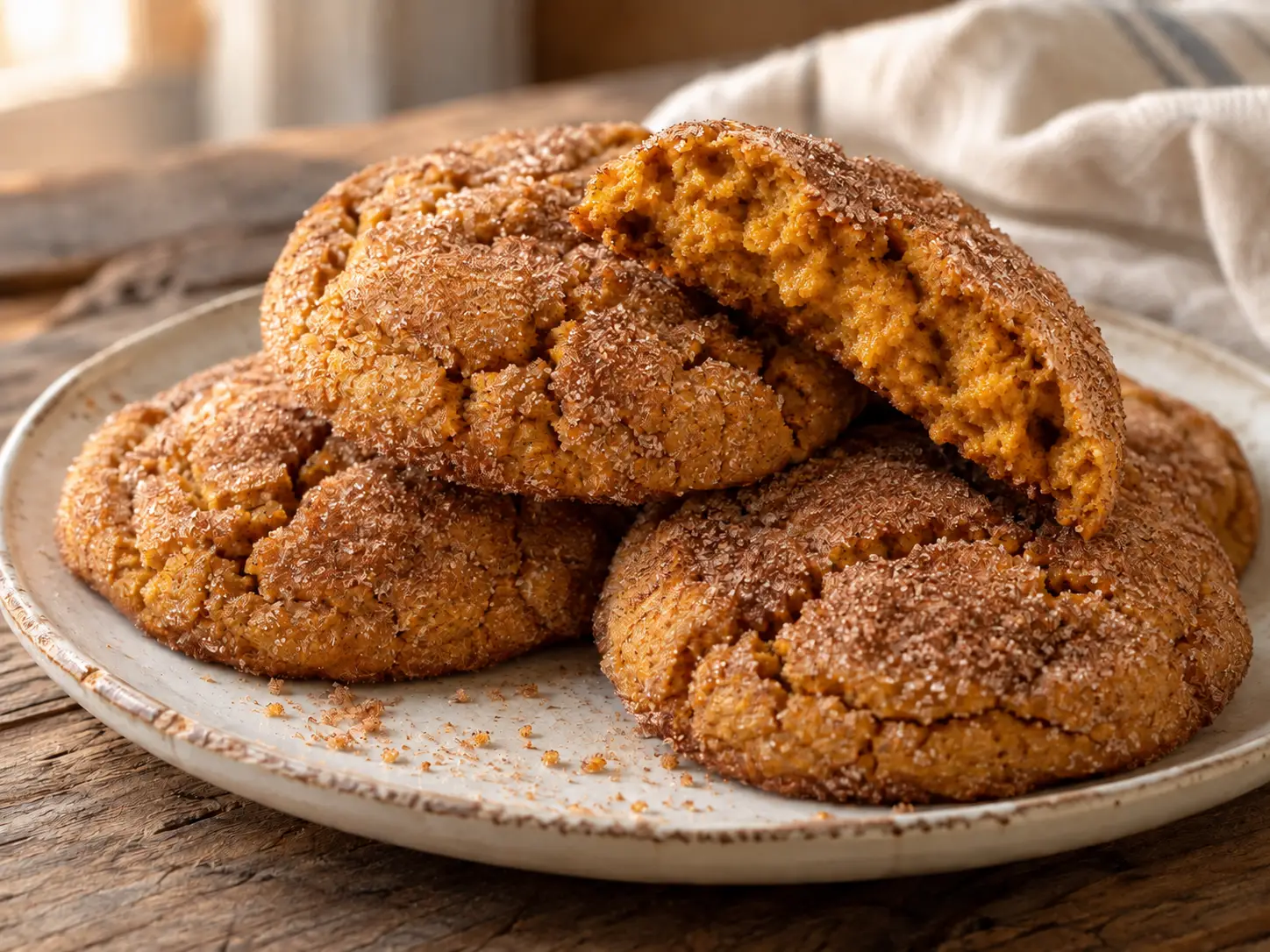
The first bite of these pumpkin snickerdoodle cookies has everything I want in a fall cookie: a cinnamon sugar coating, a soft middle, lightly crisp edges, and enough pumpkin flavor to taste it beneath the spice. They’re the cookies I’d put out with coffee on a chilly afternoon, then quietly save a few for later.
Pumpkin can make cookie dough surprisingly wet. Use too much, and you end up with little pumpkin cakes instead of snickerdoodles. For this recipe, I use a modest amount of pumpkin purée, blot away some of its moisture, and add an egg yolk rather than a whole egg. A short rest in the fridge makes the dough easier to roll and helps the cookies keep their shape.
If you’ve already made my pumpkin chocolate chip cookies, these give you a different kind of pumpkin cookie: no chocolate, plenty of cinnamon sugar, and that little tang that makes a snickerdoodle taste like a snickerdoodle.
What Makes Pumpkin Snickerdoodles Different?
A snickerdoodle should taste like more than a cinnamon sugar cookie. That little bit of tang from cream of tartar is part of what makes it so good, and I wanted to keep it in this pumpkin version. The pumpkin adds a soft center and a warm fall flavor, while the cinnamon sugar gives the outside a light crunch.
Pumpkin purée also adds water to the dough. If there’s too much, the cookies can turn thick and cakey. I blot the pumpkin before mixing it in and measure the flour carefully so the cookies stay soft and chewy.
Before You Start: Check Your Pumpkin
Use plain canned pumpkin purée, not pumpkin pie filling. Pie filling already contains sugar and spices, which would throw off the dough.
Measure the pumpkin first, then spread it on a few layers of paper towel. Place another paper towel on top and press gently to absorb some of the liquid. You’re looking for pumpkin that’s thicker and less shiny, not completely dry. If your purée is already quite thick, a quick blot is enough.
The Small Details That Make a Better Batch
Measure flour gently. If you’re using cups, spoon flour into the measuring cup and level it off. Scooping straight from the bag can pack in too much flour and leave you with dry, thick cookies. A kitchen scale makes this easier.
Give the dough its time in the fridge. Warm dough is sticky and can spread unevenly. If you’re baking in batches and the remaining dough becomes soft, put it back in the fridge while the first tray bakes.
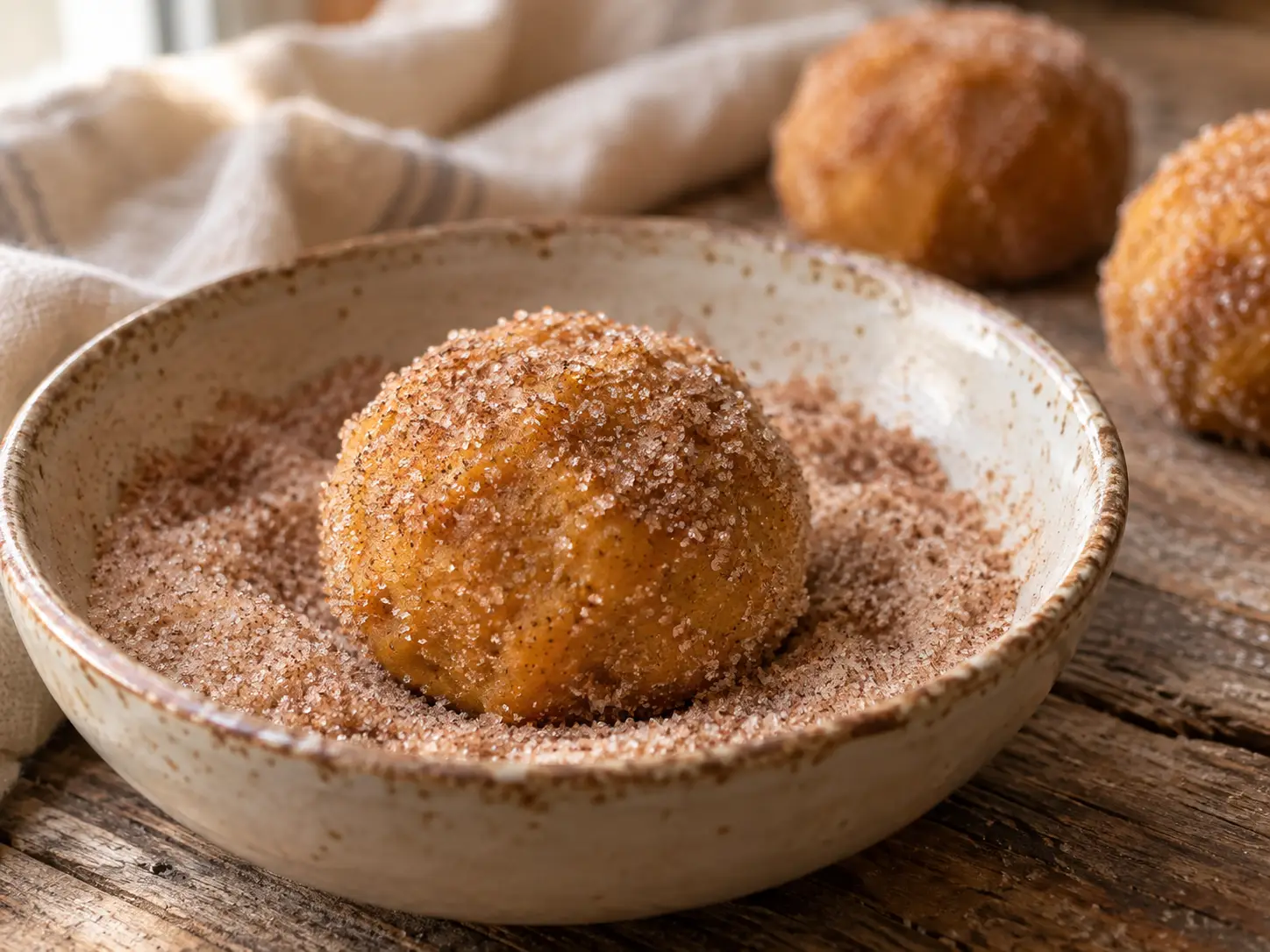
Coat each dough ball well. The cinnamon sugar is a big part of the snickerdoodle experience. Roll the balls until they’re covered on all sides, including the bottom.
Pull them before they look completely firm. Cookies continue to set on the hot baking sheet. Waiting for a firm center in the oven can leave them dry once cooled.
Bake a trial cookie if you have time. One cookie will tell you a lot about your dough and oven. If it spreads more than you’d like, chill the remaining dough a little longer.
If Your Cookies Didn’t Turn Out Quite Right
They’re cakey. The pumpkin may have been too wet, or the flour may have been measured differently than intended. Blot the pumpkin before mixing, use only the amount listed, and avoid adding a whole egg in place of the yolk.
They barely spread. Too much flour or a long chill can keep them thick. Weighing the flour is the easiest fix. If the dough has been refrigerated overnight, let the scooped balls sit at room temperature for about 10 minutes before baking.
They spread too much. Check that your butter was softened rather than melted and that the dough was properly chilled. Always put dough onto a cool baking sheet.
The coating looks patchy. Roll the dough balls again just before they go into the oven. If the dough is very cold and dry on the outside, let it sit for a minute or two so the sugar will cling.
Make Them Ahead
You can make the dough up to 24 hours ahead and keep it covered in the refrigerator. For longer storage, scoop the dough into balls and freeze them on a tray until firm. Transfer the frozen dough balls to a freezer bag or airtight container for up to 2 months. Roll them in cinnamon sugar just before baking. Bake from frozen, adding a minute or two as needed.
Store baked cookies in an airtight container at room temperature for up to 4 days. They’ll be softest on the day they’re made, but a short rest in a covered container keeps the centers tender. You can also freeze fully cooled cookies for up to 2 months.
A Few Ways to Serve Them
These are especially good slightly warm, when the cinnamon sugar smells strongest and the centers are still tender. Set them out with coffee, tuck them into a fall cookie box, or add them to a Thanksgiving dessert spread when you want something guests can pick up without a plate.
If you’re packing them as gifts, let them cool completely first. A warm cookie sealed in a container can develop condensation and lose some of its sugar coating.
More Recipes to Try
- Pumpkin Chocolate Chip Cookies: For the days when pumpkin and chocolate sound like the right combination.
- Pumpkin Cheesecake Bars: A make-ahead dessert that’s easy to slice and share.
- Pumpkin Sheet Cake with Cream Cheese Frosting: Soft pumpkin cake with plenty of frosting.
- Pecan Pie Bars: Another easy dessert for a fall gathering or holiday cookie table.
Frequently Asked Questions
Do I have to blot the pumpkin purée?
I recommend it for this recipe. Pumpkin purée can vary a lot in moisture, and removing a little liquid helps the cookies bake with a chewier texture. Measure your ⅓ cup before blotting so you don’t accidentally add more pumpkin than the recipe calls for.
Can I make pumpkin snickerdoodles without cream of tartar?
You can make a pumpkin cinnamon sugar cookie without it, but you’ll lose some of the familiar snickerdoodle tang. This recipe’s baking soda and cream of tartar are designed to work together, so I wouldn’t leave one out without adjusting the recipe.
Can I use homemade pumpkin purée?
Yes, if it’s thick. Homemade purée is often wetter than canned pumpkin, so blot it particularly well. If it still looks loose after blotting, strain it through a fine-mesh sieve before measuring.
Why does this recipe use an egg yolk instead of a whole egg?
The pumpkin already brings moisture to the dough. An egg yolk adds richness without the extra liquid from an egg white, helping the cookies stay soft without becoming overly puffy.
Can I skip the chill time?
The dough will be stickier to handle, and the cookies may spread more. If you’re short on time, even 30 minutes in the fridge helps, but 45 to 60 minutes is my recommendation.
How do I know when the cookies are done?
Look for set edges and tops that no longer appear wet. The centers should still be soft when you remove the tray. They’ll firm up as they rest on the baking sheet.
Can I double the recipe?
Yes. Double the ingredients and mix the dough in a bowl large enough to combine the flour without overworking it. Bake one sheet at a time, or rotate two sheets halfway through baking if your oven heats evenly.
Pumpkin Snickerdoodle Cookies
Ingredients
For The Cookies
- 2 ¼ cups all-purpose flour or gluten-free flour, 270g
- 1 teaspoon cream of tartar
- ½ teaspoon baking soda
- ½ teaspoon fine salt
- 1 ½ teaspoons pumpkin pie spice
- ½ teaspoon ground cinnamon
- ¾ cup unsalted butter, softened 170g
- ¾ cup granulated sugar 150g
- ¼ cup packed light brown sugar or dark brown sugar, 50g
- 1 large egg yolk
- ⅓ cup plain pumpkin purée, measured before blotting
- 1 ½ teaspoons vanilla extract
For The Cinnamon Sugar Coating
- ¼ cup granulated sugar 50g
- 1 ½ teaspoons ground cinnamon
Instructions
- Blot the pumpkin. Measure ⅓ cup pumpkin purée and gently press out some of its moisture with paper towels. Set it aside while you prepare the other ingredients.
- Mix the dry ingredients. In a medium bowl, whisk together the flour, cream of tartar, baking soda, salt, pumpkin pie spice, and cinnamon.
- Cream the butter and sugars. In a large bowl, beat the softened butter, granulated sugar, and brown sugar for about 2 minutes, until combined and a little lighter in color. Scrape down the sides of the bowl.
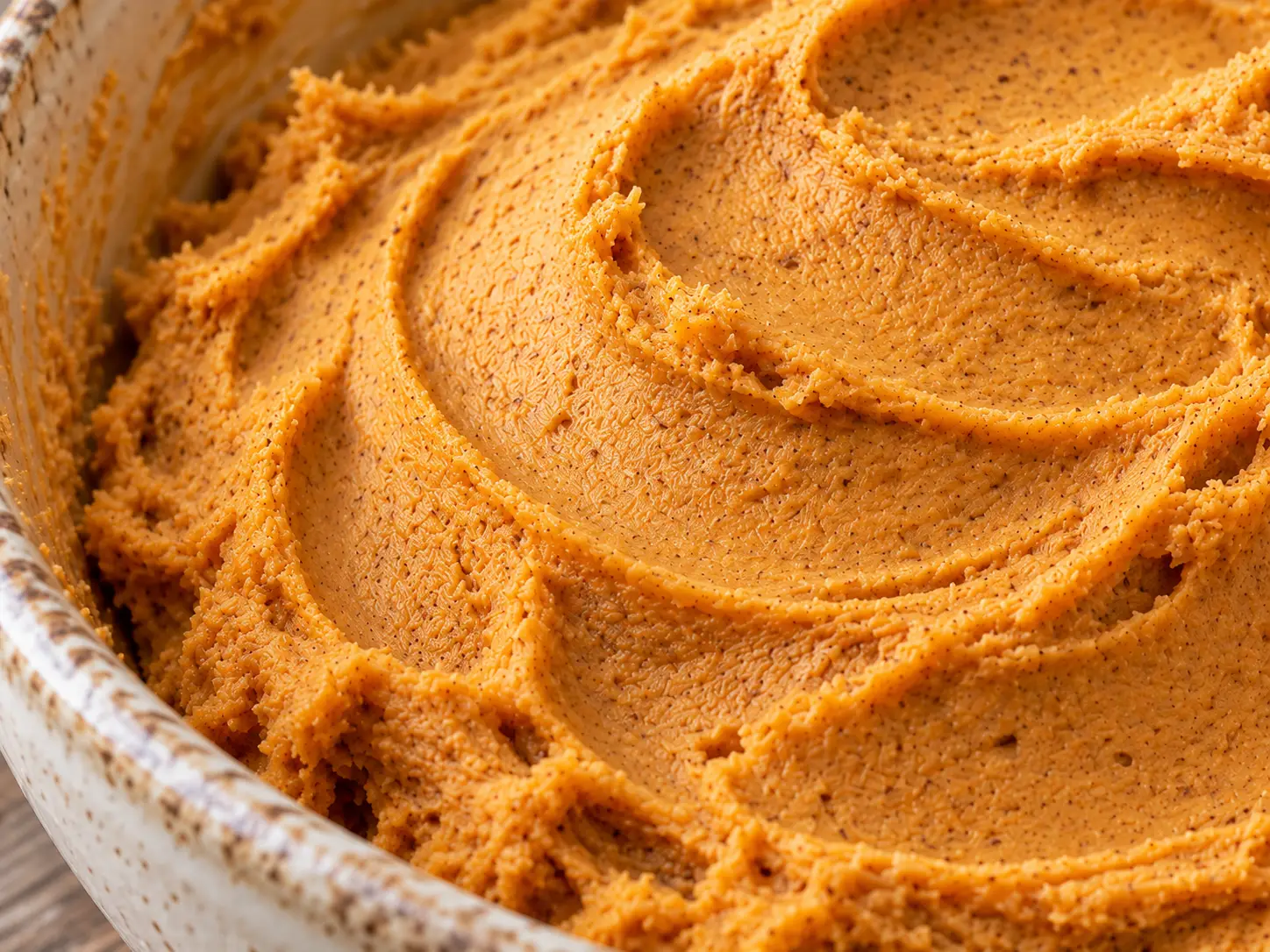
- Add the pumpkin. Beat in the egg yolk, blotted pumpkin, and vanilla. The mixture may look slightly separated. That’s fine.
- Finish the dough. Add the dry ingredients and mix on low speed just until no flour streaks remain. Don’t keep beating once the dough comes together.
- Chill. Cover the bowl and refrigerate the dough for 45 to 60 minutes. It should feel firm enough to scoop and roll without sticking heavily to your hands.
- Roll in cinnamon sugar. Heat the oven to 350°F (175°C). Line two baking sheets with parchment paper. Mix the coating sugar and cinnamon in a small bowl. Scoop the dough into balls of about 1 ½ tablespoons each, then roll each ball generously in cinnamon sugar. Place them about 2 inches apart.
- Bake. Bake one sheet at a time for 10 to 12 minutes, until the edges look set and the tops no longer look wet. The centers should still feel soft. Let the cookies sit on the baking sheet for 5 minutes, then transfer them to a wire rack to cool.
- You should get about 24 cookies, depending on the size of your scoop. Ovens and scoops vary, so use the look of the edges and centers as your final guide.
Notes
Nutrition
Serving size: 1 cookie (recipe makes approximately 24)- Calories: 140
- Total fat: 6 g
- Total carbohydrates: 19 g
- Protein: 1 g